Organic hemp is not a passing trend in cannabis; it is a shift in what people expect from the plant. For consumers who care about what actually enters their body, organic sourcing answers a simple question that conventional growing often cannot: do you know what is in here, and can you prove it? The answer turns out to matter more for hemp than for almost any other crop. Here are five ways organic hemp is reshaping wellness, and the science behind why it counts.
Clean and Pure Wellness
The cleanest case for organic hemp is what it leaves out. Organic hemp is grown without synthetic pesticides, herbicides, or chemical fertilizers, and the difference shows up in independent testing. A 2024 peer-reviewed analysis of 202 commercially available CBD products found that 74% deviated from their labeled potency by at least 10%, and 15% tested positive for pesticide residues (Frontiers in Pharmacology, 2024).
That gap between label and reality is the whole reason sourcing matters. When you use THCA flower or a Delta-9 gummy made from organic live rosin, you are starting from material grown without the inputs that show up as residues downstream. Clean in, clean out, and no chemical aftertaste riding along.
A Natural Boost for Your Body
Hemp is rich in cannabinoids like THCA, CBD, and Delta-9 THC, compounds that interact with the body's endocannabinoid system, the signaling network that helps regulate mood, stress, sleep, and pain. People reach for hemp to support relaxation and recovery, and the organic version simply removes a layer of unwanted passengers from that experience.
Why does the growing method matter for the body and not just the plant? Because hemp does not just sit in soil, it absorbs it. That biology is the bridge to the next point, and it is the single strongest argument for choosing organic.
Planet Friendly
Organic hemp is gentler on the land it grows in, and the reason is rooted in the plant's unusual relationship with soil. Hemp is a documented hyperaccumulator, a plant whose tissues can pull heavy metals and chemical residues from soil and concentrate them at levels far higher than typical crops. Researchers have even used hemp deliberately to remediate contaminated ground.
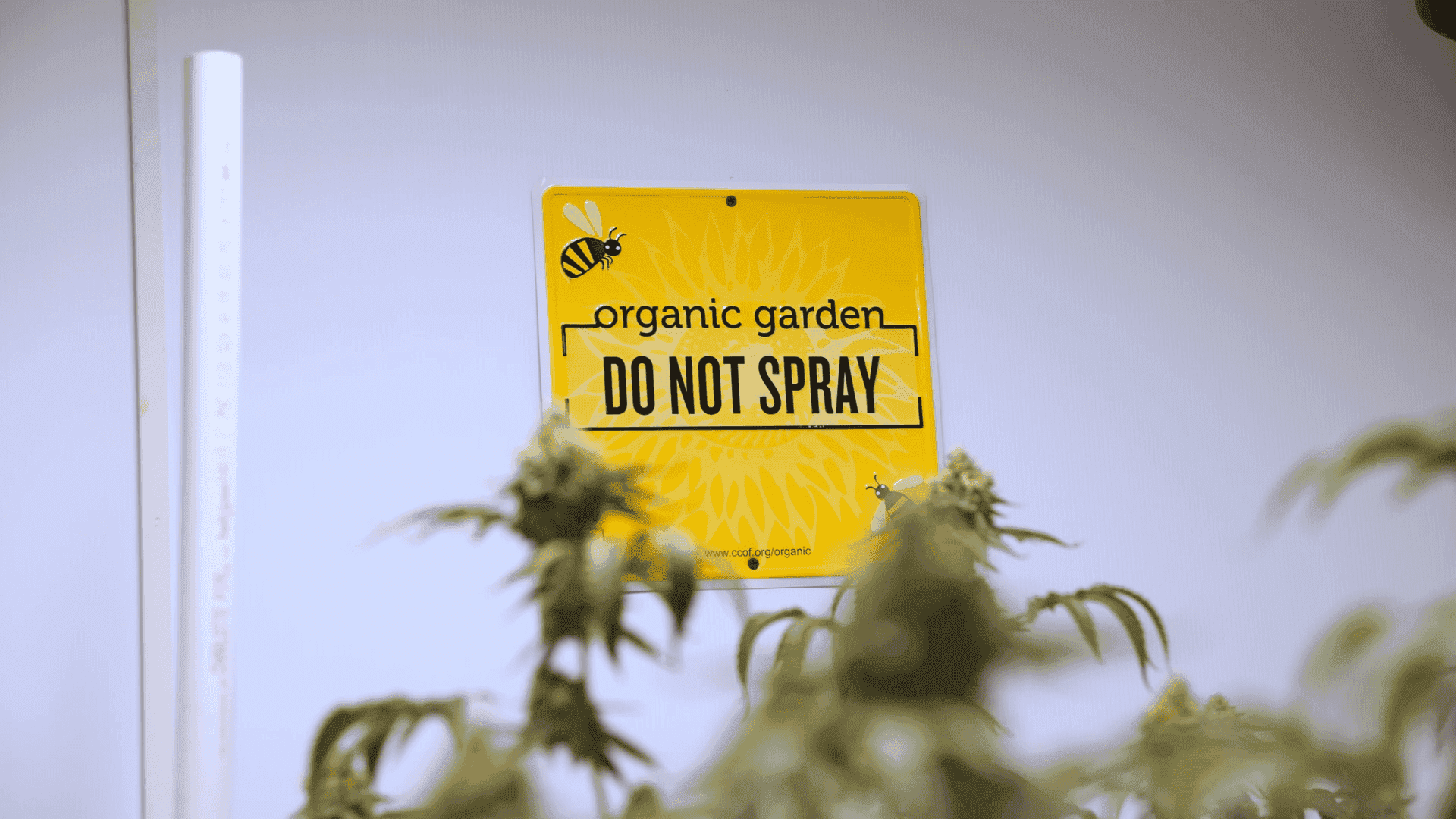
Organic cultivation works with that biology instead of against it. By prohibiting synthetic inputs and requiring a clean soil history, organic farming protects the surrounding ecosystem and keeps prohibited substances out of the growing environment in the first place. Healthier soil, fewer chemicals leaching out, and a crop grown the way the land can sustain.
Best Quality
Not all hemp is equal, and the gap is wider than most labels admit. Hemp's hyperaccumulator biology has a direct consumer consequence: a 2023 study found that exclusive cannabis users had blood lead levels about 27% higher and blood cadmium about 22% higher than non-users, drawing on national health survey data (Environmental Health Perspectives, 2023). The plant pulls what is in the ground up into itself.
That is why a real certification matters more than a marketing adjective. With USDA Certified Organic hemp, the soil, inputs, and handling are documented and audited from the ground up, not just described on a package. You are buying a verified chain of custody, not a vibe.
Consistency You Can Count On
One of the quietest benefits of organic hemp is reliability. USDA Organic certification is built on standards a brand cannot quietly skip: a 36-month clean-soil transition, a prohibition on synthetic inputs, and mandatory annual on-site inspection by a USDA-accredited certifier under 7 CFR Part 205 (USDA AMS, NOP Instruction 2040).
Those guardrails translate into a product that behaves the same way batch after batch. When you are building a wellness routine, whether that is THCA flower in the evening or organic-rosin gummies to support relaxation, consistency is the entire value. You are not rolling dice on potency or purity. That is peace of mind in plant form.
The distinction consumers most need is the one labels blur: certified versus merely claimed.
| Claim on the Label | Federal Definition | Independent Verification? |
|---|---|---|
| USDA Organic seal | Yes, 7 CFR Part 205 | Yes, annual on-site inspection |
| “Organically grown” | None | No |
| “Pesticide-free” | None | No |
| “All natural” | None | No |
| “Clean” / “pure” | None | No |
Why Organic Hemp Matters
The cannabis market is maturing, and organic hemp is leading that shift from "does it get me there?" to "do I trust how it was made?" Choosing organic supports cleaner farming, protects the soil, and, given hemp's absorption profile, meaningfully reduces the contaminants that can end up in a finished product.
At Pure Roots Botanicals, that commitment is verifiable, not a slogan. We grow USDA Certified Organic THCA flower on our farm in North Carolina, and our gummies are made with USDA Certified Organic live rosin. To be precise: our hemp and live rosin are certified organic, while the finished gummies are not organic-certified, because edible manufacturing falls outside that scope. Every batch is third-party lab tested, and you can confirm our certification yourself in the USDA Organic Integrity Database (NOP ID 5561006795).
Ready to feel the difference? Explore our USDA Certified Organic hemp products → The point of organic is not hype; it is that you can check the receipts.
Why does organic matter more for hemp than other crops?
Because hemp is a hyperaccumulator. It pulls heavy metals and chemical residues from soil and concentrates them in its tissue. A 2023 study found cannabis users had blood lead about 27% higher than non-users (Environmental Health Perspectives, 2023), so clean soil history matters uniquely for this plant.
Is “organically grown” the same as USDA Certified Organic?
No. “Organically grown” has no federal legal definition and requires no verification. The USDA Organic seal is a legally protected mark requiring a 36-month clean-soil transition, no synthetic inputs, and annual third-party inspection under 7 CFR Part 205. Only the seal is independently audited.
Does organic hemp test cleaner than conventional hemp?
It is far more likely to. A 2024 analysis of 202 CBD products found 15% contained pesticide residues and 74% were mislabeled for potency (Frontiers in Pharmacology, 2024). USDA Organic certification plus a third-party Certificate of Analysis is the strongest combination of safeguards available.
Are Pure Roots gummies USDA Organic?
The gummies are made with USDA Certified Organic live rosin and organic hemp, but the finished gummies are not themselves USDA Organic certified, since edible manufacturing falls outside that scope. The THCA flower we grow is certified organic, and every batch is third-party lab tested.
How can I verify a brand’s organic claim?
Search the free USDA Organic Integrity Database at organic.ams.usda.gov. Enter the farm or company name and confirm the certificate is current, the scope includes “crops,” and a certifying agent is listed. If a brand is not in the database, it is not USDA Certified Organic.
Found this useful? Share it.
Written by
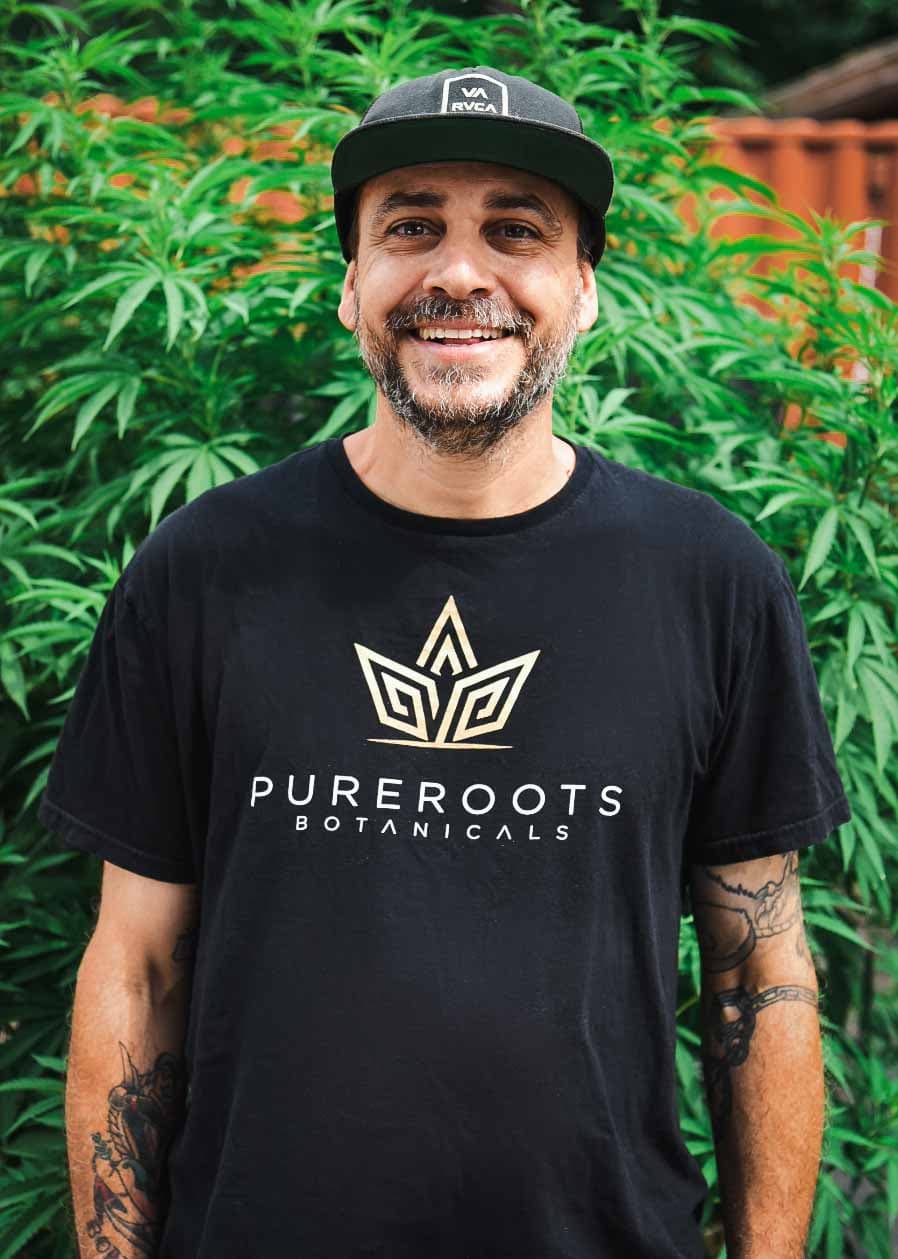
Ben Cerullo
Founder & Master Grower · Pure Roots Botanicals
Ben Cerullo founded Pure Roots Botanicals after years in organic agriculture, driven by a belief that hemp consumers deserve federal-grade transparency. He manages USDA Certified Organic operations at the North Carolina farm (NOP ID: 5561006795) and writes on hemp education, organic certification, and consumer safety.