What Is USDA Organic Certification for Hemp?
USDA Organic certification for hemp is a federal verification program administered by the National Organic Program (NOP), part of the USDA Agricultural Marketing Service. In 2023, 70% of U.S. consumers reported trusting the USDA Organic seal, making it the most trusted agricultural label in the country and the second-most trusted food label overall, behind only the American Heart Association checkmark (Organic Trade Association / Euromonitor International, December 2023).
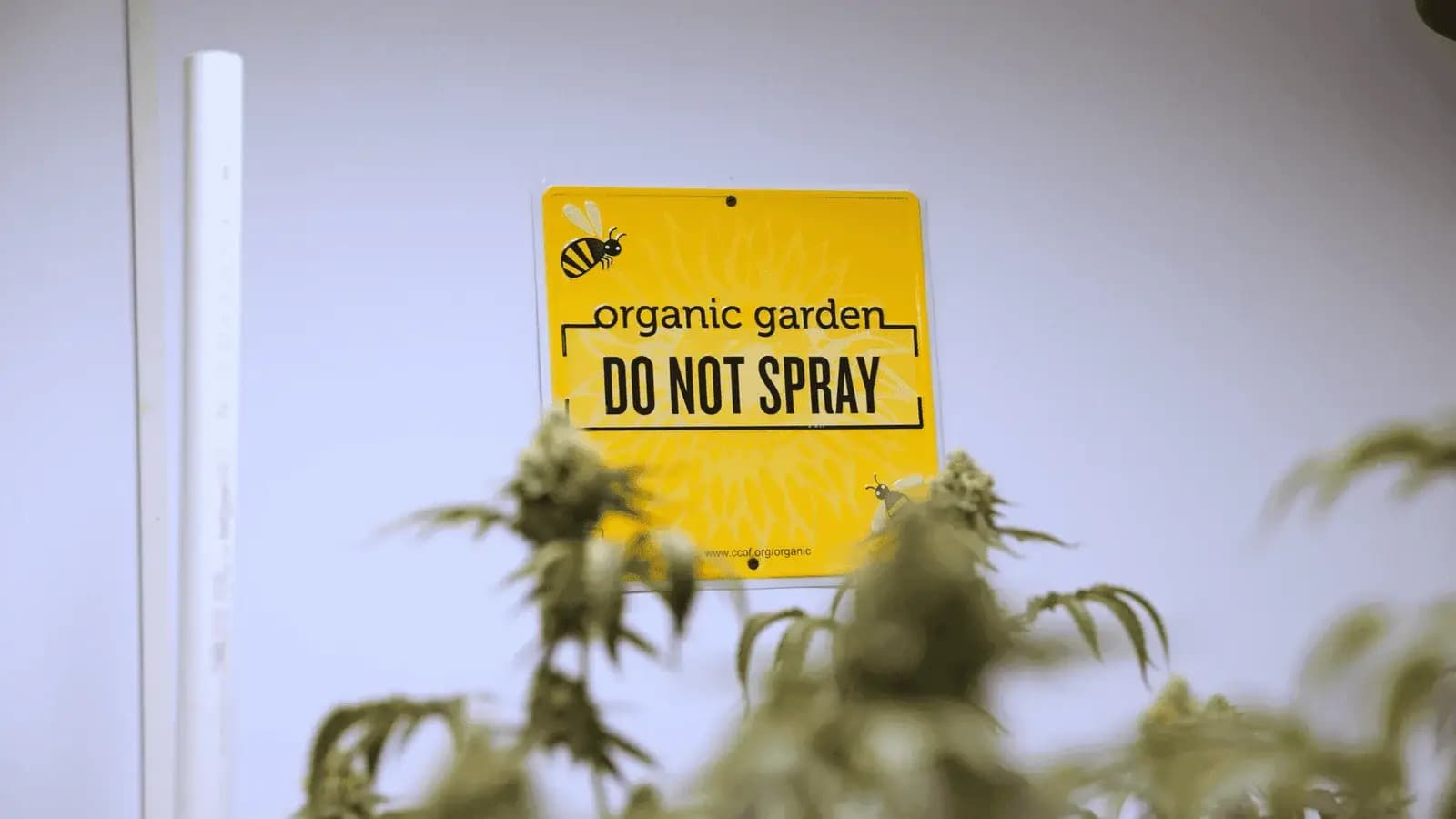
The seal is a legal claim, not a marketing choice. It means a hemp crop was produced and handled according to federal organic standards, verified through mandatory third-party audits on a schedule the brand doesn’t control. Specifically, it certifies:
- No synthetic pesticides, herbicides, or fungicides at any stage
- No synthetic fertilizers or growth promotants
- No genetically modified organisms (GMOs) or GMO seeds
- No sewage sludge or irradiation
- Soil managed to support biodiversity and biological activity
- Full documentation of every input and process, reviewed annually
The program is codified under the Agricultural Marketing Act of 1946 and governed by 7 CFR Part 205. Hemp-specific guidance is published in USDA NOP Instruction 2040, which became operative after hemp’s federal legalization under the 2018 Farm Bill. Only hemp with THC ≤0.3% grown under the USDA Domestic Hemp Production Program is eligible for certification.
Why “Organic” on a Hemp Label Doesn’t Mean What You Think
Here’s something most hemp brands won’t tell you: without the USDA seal, the word “organic” on a hemp product label has no federal legal definition and triggers zero regulatory scrutiny. A brand can print “organically grown,” “pesticide-free,” or “chemical-free” without a single inspection, audit, or penalty. Those are marketing phrases, not verifiable claims.
The consequences show up in product testing data. In 2024, a peer-reviewed study published in Frontiers in Pharmacology analyzed 202 commercially available CBD products from major U.S. retailers, the largest independent analysis to date. The findings were stark: 74% deviated from their labeled CBD potency by at least 10%, and 15% of products tested positive for pesticide residues (Frontiers in Pharmacology, 2024).
Full-spectrum products carried the highest contamination burden, showing 2.12 times higher pesticide rates than isolate-based products. The reason matters: full-spectrum extracts retain everything the plant absorbed during growth, including whatever was in the soil and sprayed on the crop. You don’t filter that out at the extraction stage.
The distinction consumers need is simple but often buried:
| Label Claim | Federal Legal Definition | Requires Verification? |
|---|---|---|
| USDA Organic seal | Yes, 7 CFR Part 205 | Yes, mandatory annual inspection |
| “Organically grown” | None | No |
| “Pesticide-free” | None | No |
| “Chemical-free” | None | No |
| “Natural” | None | No |
What USDA Organic Certification Actually Requires
Getting USDA Organic certified for hemp is harder than most brands imply, and that’s the point. The rigor is what gives the seal its meaning. Per USDA NOP guidance, a hemp operation must clear six requirements before certification and maintain them every year to keep it.
1. The 36-Month Land Transition Period
The most significant barrier isn’t paperwork. It’s time. Any land being converted to organic hemp production must be free from all prohibited substances (synthetic pesticides, synthetic fertilizers, sewage sludge) for 36 consecutive months before the first certified harvest (USDA AMS NOP Transition Factsheet). A farm that used conventional inputs last year can’t call itself organic this year. The land itself has to serve the sentence.
2. A Written Organic System Plan (OSP)
Every certified operation maintains a living document covering soil management, crop rotation, seed sourcing, pest management, and handling procedures. Certifying agents review this plan at every inspection. It’s not a one-time form. It’s updated whenever practices change.
3. No Prohibited Inputs, Zero Tolerance
A single prohibited substance application, even from a neighboring farm drifting over property lines, must be reported and investigated. The NOP’s prohibited substances list covers thousands of synthetic compounds. Inadvertent exposure doesn’t automatically revoke certification, but it must be documented and addressed.
4. Annual On-Site Inspection by a USDA-Accredited Certifier
Inspectors from one of 80+ USDA-accredited certifying agents (CCOF, Oregon Tilth, MOSA, and others) conduct annual on-site visits. They review records, verify inputs, observe operations, and may collect samples for independent laboratory testing.
5. Five Years of Records
Certified operations must maintain five years of records covering every input, purchase, sale, and practice, available to certifying agents on demand, at any time.
6. Annual Certificate Renewal
Certification doesn’t auto-renew. It requires an annual review cycle with the certifying agent. Operations that fall out of compliance can be suspended or revoked.
Why Hemp’s Biology Makes Organic Certification Especially Important
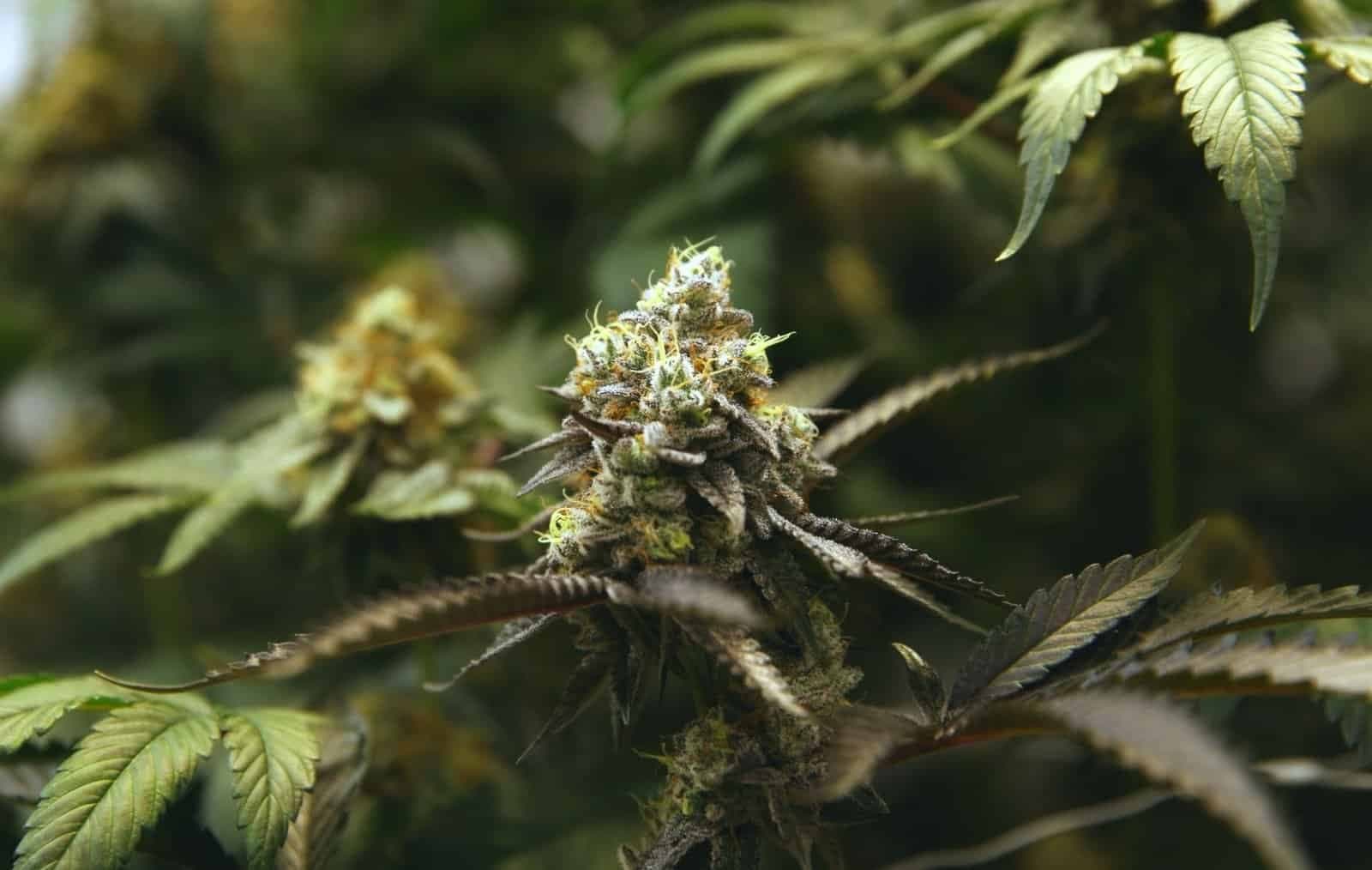
Most agricultural crops absorb contaminants from soil at low rates. Hemp doesn’t work that way. Hemp is a documented hyperaccumulator, a plant with a scientifically verified ability to pull heavy metals, pesticide residues, and industrial chemicals from soil and concentrate them in its tissue.
This property has been used intentionally. After the 1986 Chernobyl nuclear disaster, researchers planted hemp near the reactor site specifically to help remove radioactive cesium and strontium from contaminated ground, a process called phytoremediation. Hemp is genuinely effective at absorbing what’s in the earth beneath it.
What does that mean for consumers? If hemp is grown in soil with a history of heavy metals, industrial runoff, or persistent pesticide residues, those contaminants accumulate in the plant. Unlike most crops where surface pesticide contact is the primary concern, hemp’s absorption profile means the soil’s entire history matters, not just what happened this growing season.
Unique Insight
This is why the 36-month land transition requirement isn’t bureaucratic filler. It’s designed specifically to allow enough time for prohibited substances to break down and soil biology to recover. A conventional hemp farm can’t simply pivot to “organic.” The land has to be rehabilitated. When you buy USDA Certified Organic hemp, you’re buying three years of documented soil history, not just a season of good intentions.
Think of it this way: soil provenance is a product feature. For hemp, it may be the most important one.
The 2024 Frontiers in Pharmacology study confirmed this at scale. Full-spectrum extracts, which retain the plant’s complete chemical profile, showed 2.12× the pesticide contamination rate of isolates. The soil passed its history into the plant. The plant passed it into the product.
The Real Cost of USDA Organic Hemp Certification
What does certification actually cost? Most brands won’t publish this number. Here’s what the data shows.
Direct Certification Costs
For a small hemp farm, initial certification typically runs:
- Inspection fee: $300–$1,000 depending on certifying agent and operation size
- Annual certification fee: $500–$2,000
- Application and administrative costs: $100–$300
First-year total: approximately $900–$3,300 (tryorganiclife.com, 2025).
The Hidden Cost: Three Years of Transition
The bigger financial challenge is the wait. During the 36-month transition, a farm operates under organic practices but can’t market its products as USDA Certified Organic. Revenue is constrained while costs are higher. Some farmers manage this by maintaining certified conventional production on separate parcels; others rely on “transitional organic” programs that some certifiers and buyers support.
The USDA OCCSP Cost-Share Program
USDA’s Organic Certification Cost Share Program (OCCSP) historically reimbursed up to 75% of certification costs, capped at $750 per scope, through the Farm Service Agency (USDA FSA). As of early 2026, the 2025 OCCSP funds had not been released, a significant hardship for small-scale hemp farmers who planned around that reimbursement.
Why the Investment Pays Off
In 2025, the U.S. hemp market reached $739 million in total production value, up 64% from 2024 (USDA NASS, April 2026). The organic segment within that market is growing faster: from $187.7 million in 2025 to a projected $660.3 million by 2035, a 13.4% compound annual growth rate (Future Market Insights, 2025).
Certified organic hemp commands 20–40% price premiums over comparable conventional hemp. With nearly 60% of consumers willing to pay more for organic products and 90% familiar with organic claims (OTA / Euromonitor, 2023), the investment increasingly makes financial sense for farms that can sustain the transition.
How to Verify Whether a Hemp Brand Is Truly USDA Certified Organic
Don’t take a brand’s word for it. The USDA maintains a free, publicly searchable database, the Organic Integrity Database at organic.ams.usda.gov, listing every certified organic operation in the country.
Here’s how to verify in under two minutes:
- Go to organic.ams.usda.gov
- Enter the company or farm name in the search field (to check us type PureRoots Botanicals or click the link)
- Select the operation from results and view their active certificate
- Confirm: the certificate is current (not expired), the scope includes “crops”, not just “handling”, and the certifying agent name is listed
A legitimate certificate shows the certifying agent, the operation’s physical address, the certification scope, and both effective and expiration dates. If a brand’s name doesn’t appear in the database, they aren’t USDA Certified Organic, regardless of what their label says.
Personal Experience
At Pure Roots Botanicals, we recommend this verification step to every customer who asks about our sourcing, including ours. You can view our active USDA Organic certificate directly in the federal database right now, no account required. Transparency works both ways: a brand that’s genuinely certified welcomes the check. A brand that deflects the question has given you your answer.
Ready to shop a line you can verify? Browse our USDA Certified Organic hemp products →
Red Flags to Watch
- “Organic practices” or “organically grown” without the USDA seal appearing on the label
- A certificate that expired more than 90 days ago
- Scope limited to “handling” without crop-level certification for source farms
- Refusal to name their certifying agent or share their certificate number
The CBD Isolate Exception: Why Not All “Organic” CBD Can Be Certified
Here’s a fact that surprises most consumers: CBD isolate products cannot carry the USDA Organic seal, regardless of how cleanly the hemp was grown.
The reason is in the processing, not the plant. CBD isolate is produced through solvent-based extraction (ethanol, pentane, or supercritical CO₂ at high concentrations) followed by chromatography and additional purification stages. The USDA’s National Organic Program prohibits synthetic solvents in organic handling operations. So even if the source hemp holds full USDA Organic certification, isolate extraction breaks the organic chain.
This means:
- Full-spectrum extracts made with food-grade ethanol or CO₂ can be USDA Certified Organic, if both the source hemp and the processor hold current certifications
- Broad-spectrum extracts depend on the specific THC-removal method used; some qualify, some don’t
- CBD isolate cannot be USDA Certified Organic under current NOP rules, full stop
Unique Insight
This creates a counterintuitive situation. An isolate-based product may test clean on third-party lab reports, because the isolation process strips most contaminants along with the other compounds. But it can never hold the organic seal. A certified organic full-spectrum product, by contrast, carries documented clean sourcing through the entire supply chain and delivers the broader phytochemical profile. For consumers who care about both purity and transparency, certified organic full-spectrum represents the highest standard currently available in hemp.
Our USDA Certified Organic Full Spectrum CBD Pain Gel and Gummies are made with Certified Organic Live Rosin: full-spectrum extracts from our CCOF-certified organic farm, batch-tested with a public Certificate of Analysis.
Frequently Asked Questions
What does USDA Organic certification actually mean for hemp products?
USDA Organic certification means the hemp was grown on land free from synthetic pesticides, GMOs, and synthetic fertilizers for at least 36 months, verified by annual on-site inspection from a USDA-accredited certifying agent. It's the only federal hemp quality standard backed by mandatory audits, not self-declaration. Unauthorized use of the seal is a federal violation under 7 U.S.C. § 6519.
Is 'organically grown' hemp the same as USDA Certified Organic?
No. 'Organically grown' has no federal legal definition when applied to hemp and requires no verification. The USDA Organic seal is a legally protected federal mark requiring documented farming practices, prohibition of synthetic inputs, and annual third-party inspection. In 2024, 74% of tested CBD products deviated from label claims (Frontiers in Pharmacology).
Can CBD isolate products be USDA Certified Organic?
No. CBD isolate requires solvent-based extraction and purification methods that violate USDA NOP processing standards. Even when source hemp holds full USDA Organic certification, the isolate extraction process breaks the organic chain. Only full-spectrum and certain broad-spectrum extracts produced with NOP-compliant methods can carry the seal.
How long does it take to get USDA Organic certification for a hemp farm?
The minimum timeline is approximately 36 months for the mandatory land transition period, plus 4–6 months for application, document review, and on-site inspection. Most new operations should plan for over three years before their first certified harvest.
How can I verify if a CBD brand is truly USDA Certified Organic?
Search the USDA Organic Integrity Database at organic.ams.usda.gov. Enter the company or farm name, confirm the certificate is current and active, check that the scope includes 'crops' (not just handling), and verify the certifying agent is USDA-accredited. This takes under two minutes.
Why does USDA Organic hemp cost more?
Certified organic hemp costs more for three reasons: a 36-month land transition investment during which farms can't sell certified crops; annual inspection and certification fees of $900–$3,300 for a small operation; and organic inputs that cost more than conventional alternatives.
Does USDA Organic certification guarantee no pesticides in hemp CBD oil?
It provides the strongest available guarantee against intentional synthetic pesticide use, but not an absolute zero-contamination guarantee. Pesticide drift and historical soil contamination can still occur. Third-party Certificate of Analysis testing from an ISO-accredited lab is the best complement to organic certification.
Found this useful? Share it.
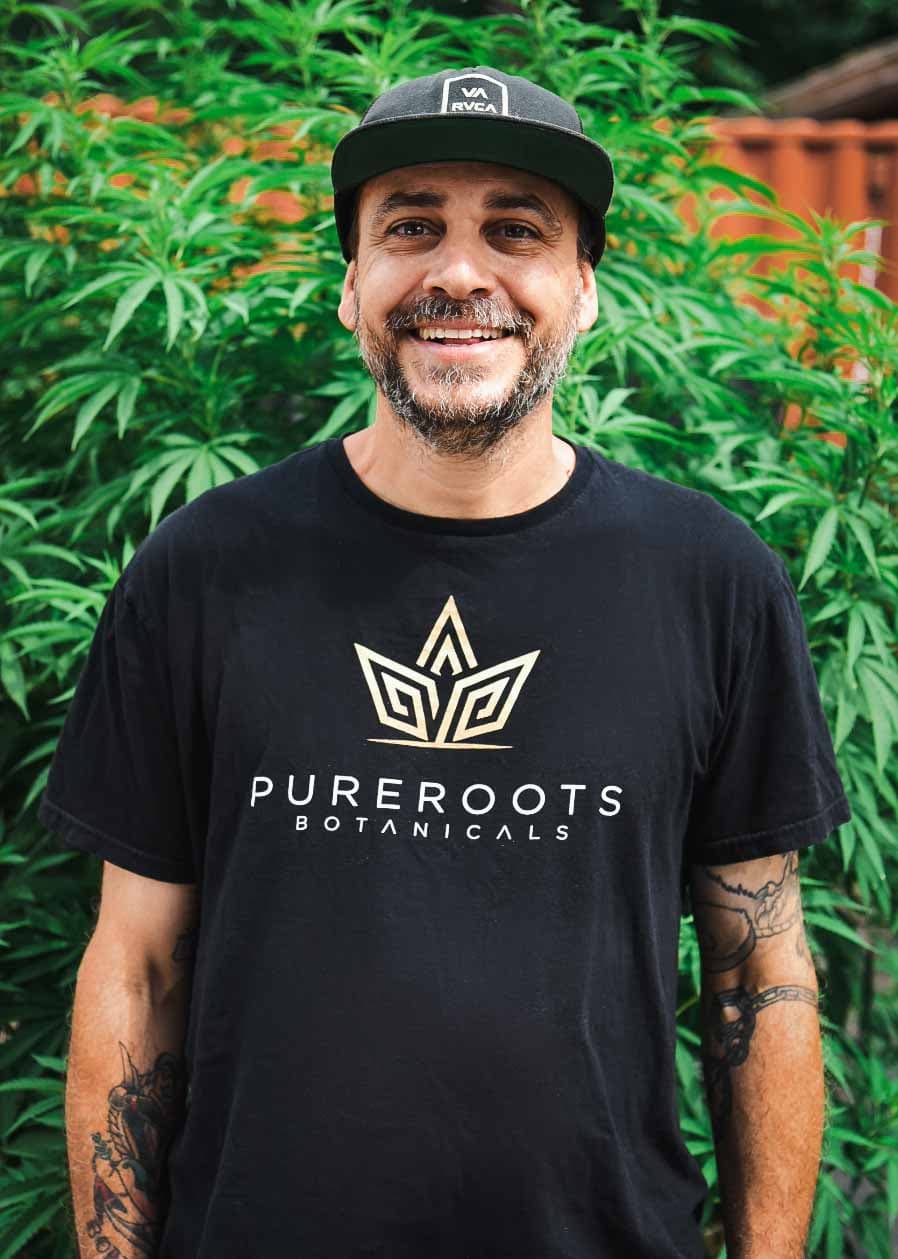
Written by
Ben Cerullo
Founder & Master Grower · Pure Roots Botanicals
Ben Cerullo founded Pure Roots Botanicals after years in organic agriculture, driven by a belief that hemp consumers deserve federal-grade transparency. He manages USDA Certified Organic operations at the North Carolina farm (NOP ID: 5561006795) and writes on hemp education, organic certification, and consumer safety.