The Delta-9 gummy market exploded, and quality did not keep pace. Buy the wrong product and you risk inconsistent effects, mislabeled doses, and unverified safety. The good news: you can sidestep almost all of it by checking five things before you buy. This guide walks through each one, backed by what independent lab testing actually found in the market.
What are Delta-9 Gummies?
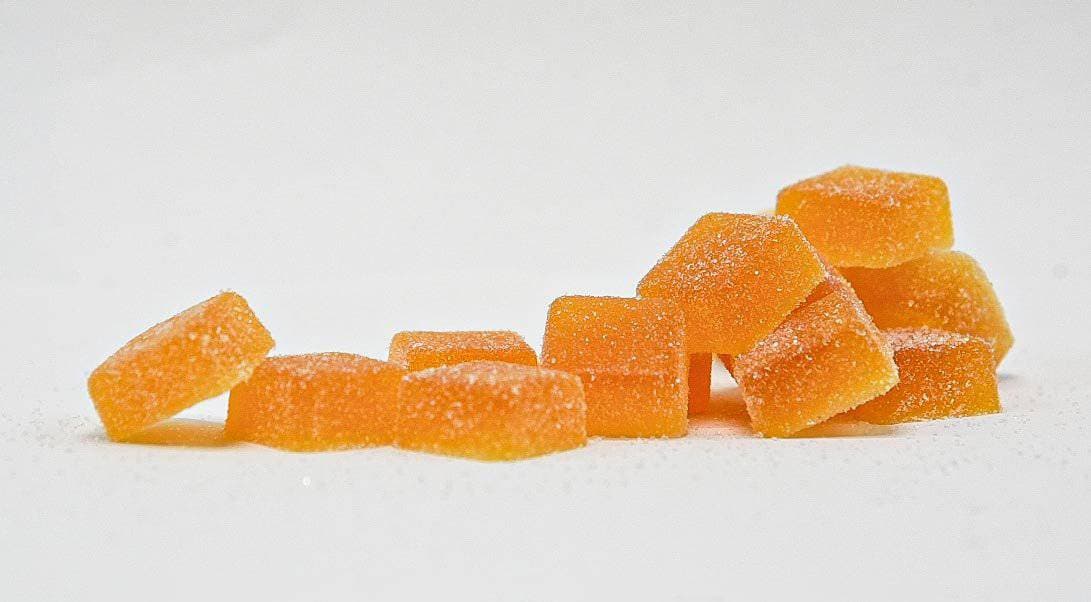
Delta-9 gummies are chewable edibles infused with Delta-9 THC, the primary psychoactive compound in cannabis, and they deliver the classic euphoric effect people associate with THC. When hemp-derived and dosed within the legal limit, they pair that effect with familiar candy flavors, which is a big part of why they have become such a popular, discreet option. Many people reach for them to unwind, support sleep, or take the edge off stress.
Quality varies enormously, though, and that is the catch. A 2023 study published in the Journal of Cannabis Research tested 53 hemp Delta-9 products from 48 brands and found wide swings in accuracy and safety testing (Journal of Cannabis Research, 2023). Knowing how to read a product before you buy is the difference between a reliable experience and a gamble.
Making Sure It’s Legal
Hemp-derived Delta-9 gummies are legal at the federal level under the 2018 Farm Bill, provided the Delta-9 THC stays at or below 0.3% by dry weight. That single threshold is what separates legal hemp products from controlled marijuana. Reassuringly, the 2023 study found 96.2% of tested products fell within that 0.3% limit, so most reputable hemp gummies do comply (Journal of Cannabis Research, 2023).
The complication is state law. Some states restrict or ban hemp-derived Delta-9 regardless of the federal rule, and the landscape keeps shifting. Before buying, confirm the gummies are hemp-derived (not marijuana-derived) and check your own state's current rules. When a product does not clearly state its source, treat that as a red flag.
Check for Certification
Certification is where marketing claims meet verification. USDA Organic certification is a rigorous federal process: it requires growing without synthetic pesticides, herbicides, or fertilizers, a multi-year land transition, and annual third-party inspection. Most brands never pursue it because of the cost and complexity, so a genuine certification is a strong quality signal.
Crucially, do not just trust the word organic on a label. You can verify any brand's certification for free in the USDA Organic Integrity Database in about two minutes. Pure Roots Botanicals went through that full process, so our gummies are made with certified organic live rosin from our own farm. (A label note worth understanding: the finished gummies are not themselves USDA Organic, since the seal certifies crops and growing practices rather than candy. The accurate claim is made with USDA Certified Organic live rosin.)
Research the Brand
The brand behind a gummy tells you a lot about what is inside it. With over half the market mislabeled or unverified, reputation and transparency are not soft factors, they are how you avoid the bad products the lab data keeps finding. Three things are worth a few minutes of research before you buy.
Brand Values and Longetivity
A company's values shape its commitment to quality. Check how long the brand has operated; businesses with a longer track record tend to have the experience, infrastructure, and accountability to make consistent products. A brand that has weathered a few years and built a loyal base signals stability, while an anonymous seller that appeared last month offers no such assurance.
Company Transparency and Lab Testing
Transparency shows up in documentation. Brands that publish third-party Certificates of Analysis (COAs) are demonstrating real commitment to safety. But read the COA closely: the 2023 study found 75.5% of products were not proven free from impurities because their testing covered potency only, not contaminants (Journal of Cannabis Research, 2023). A complete COA tests for both potency and safety, including pesticides, solvents, and heavy metals.
Customer Reviews
Look for reviews that span multiple time periods, not just a recent burst. Consistent positive feedback over several years is a strong sign a brand maintains quality batch after batch. A sudden wall of five-star reviews with no history behind it is far less convincing than steady, dated feedback.
Pricing
Price matters, but the sticker is only half the story. The real question is what value you are getting for it, and with hemp gummies, the cheapest option frequently carries the highest hidden cost: an unverified dose, no safety testing, or non-organic inputs.
Price vs. Quality
Not all Delta-9 gummies are created equal, and higher quality usually costs more for legitimate reasons. Brands that invest in clean soil, organic inputs, solventless extraction, and full safety testing carry higher production costs, and that shows up in the price. Given that the majority of cheap, unverified products in the 2023 study were mislabeled or untested for safety, paying a fair premium for a verifiable product is the smarter long-term choice. Here is how the criteria stack up when you compare a quality gummy against a risky one:
| What to Check | Quality Gummy | Risky Gummy |
|---|---|---|
| Legality | Hemp-derived, Delta-9 THC at or below 0.3% by dry weight | Marijuana-derived, or no source stated |
| Certification | USDA Certified Organic source flower, verifiable in the federal database | Vague "organic" or "all natural" with no proof |
| Lab testing | Public Certificate of Analysis covering potency and safety | No COA, or potency-only testing |
| Extract | Solventless live rosin from a named farm | Unspecified distillate or "hemp extract" |
| Brand | Transparent, named certifying agent, consistent reviews | Anonymous seller, no track record |
Run any product through those five checks and the decision usually makes itself. If you want a line you can verify end to end, our Delta-9 gummies are made with USDA Certified Organic live rosin and ship with a public Certificate of Analysis, so the dose on the label is the dose in the gummy.
Found this useful? Share it.
Written by
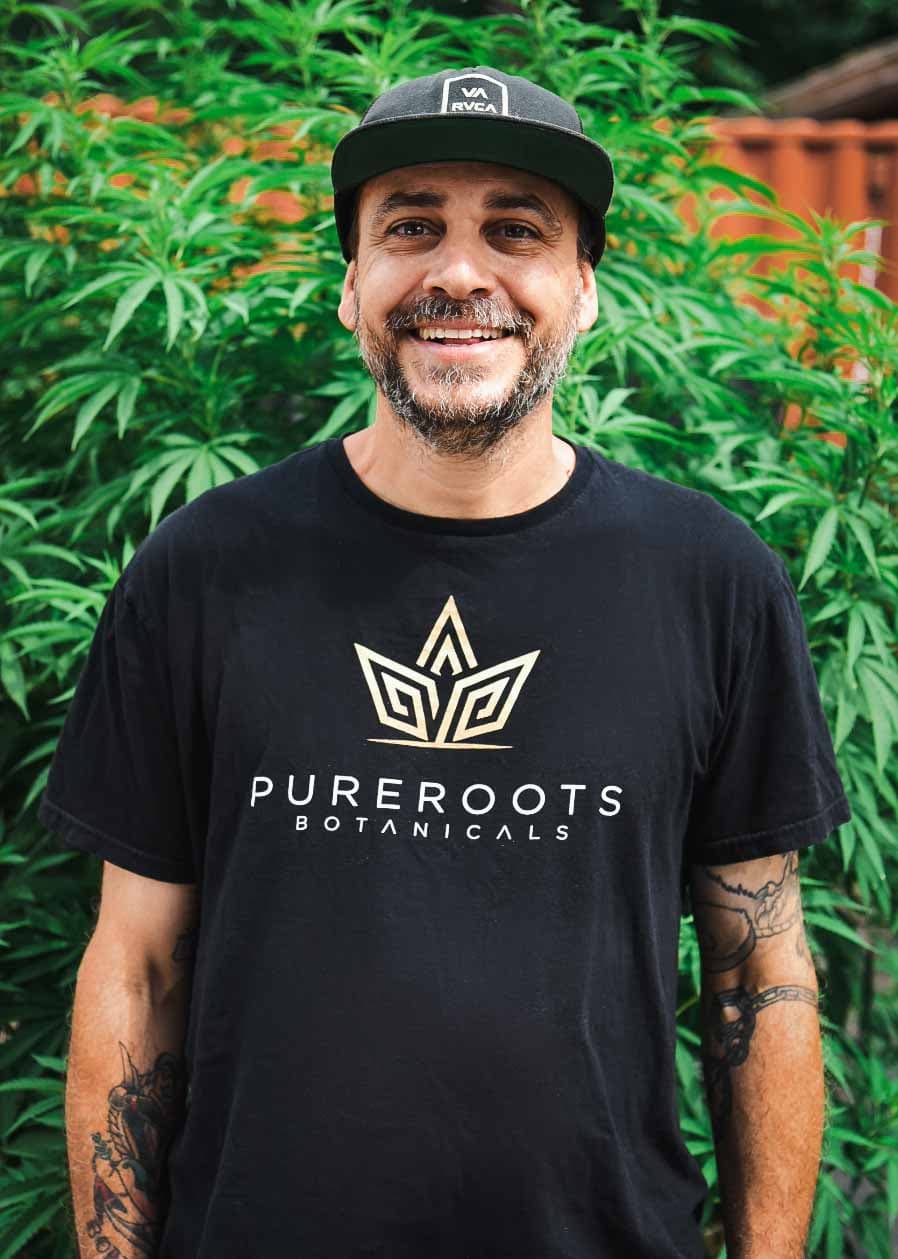
Ben Cerullo
Founder & Master Grower · Pure Roots Botanicals
Ben Cerullo founded Pure Roots Botanicals after years in organic agriculture, driven by a belief that hemp consumers deserve federal-grade transparency. He manages USDA Certified Organic operations at the North Carolina farm (NOP ID: 5561006795) and writes on hemp education, organic certification, and consumer safety.