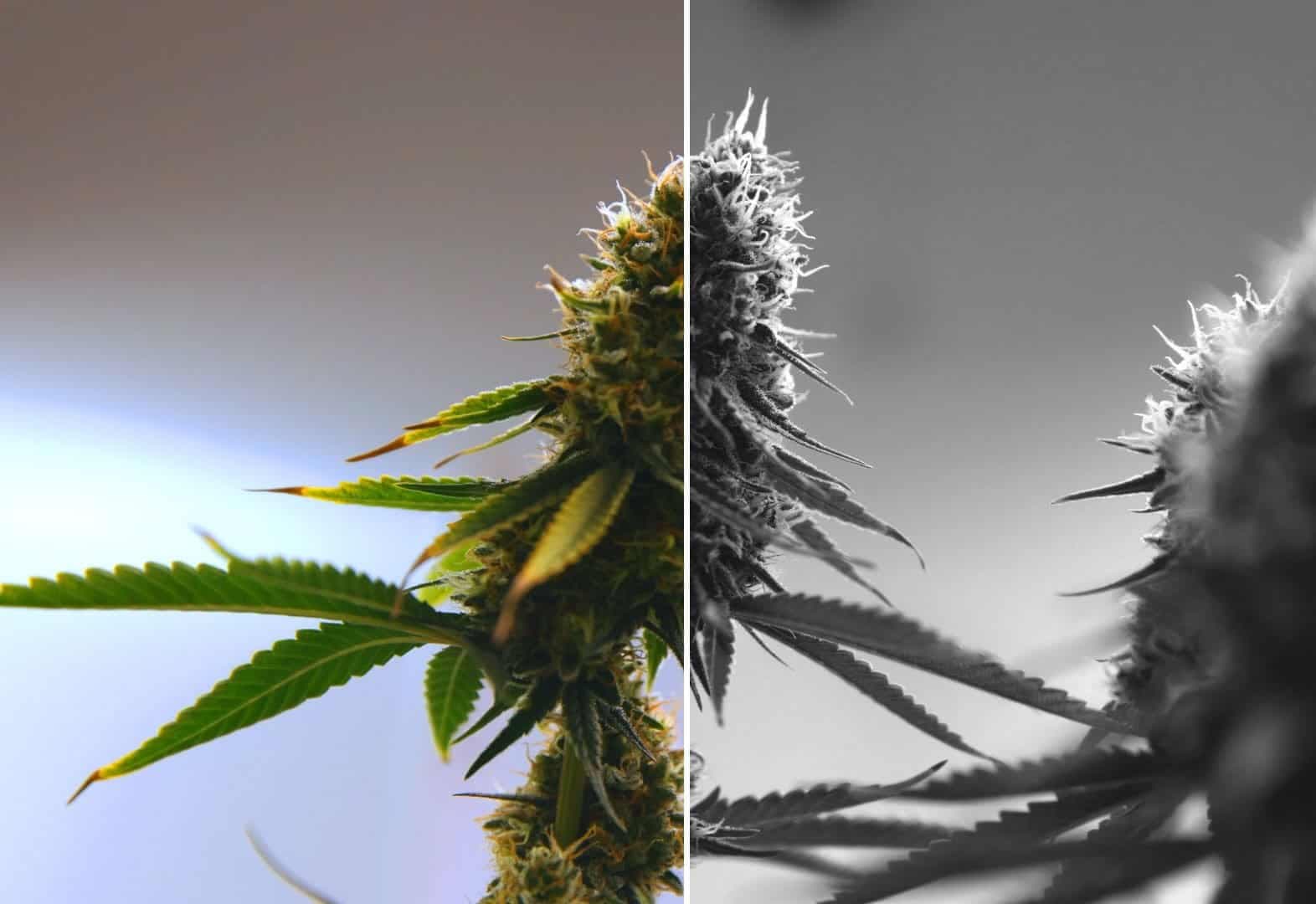
As demand for THCA flower grows, so does a fair question: is THCA flower sprayed? The honest answer is that it depends entirely on the source. Most reputable growers sell clean, naturally cultivated hemp. But some cut corners by spraying flower with cannabinoid isolates, pesticides, terpenes, or moisture to fake potency, protect a crop cheaply, mask quality, or add weight. Independent testing confirms the risk is real, not hypothetical.
The Different Types of Sprayed THCA Flower
Is THCA flower sprayed more often than buyers assume? The honest answer is that spraying is not one practice but four. They range from a deceptive marketing trick to a genuine safety concern. Some are industry shortcuts; others are routine non-organic farming methods. Knowing what each one is, why it happens, and how to spot it turns you from a guessing consumer into an informed one. Here is the breakdown.
| Type of Spraying | Why It Happens | How to Spot It | Definitive Check |
|---|---|---|---|
| Cannabinoid isolate | Fake up potency on weak hemp | Darker bud, uneven or glassy trichomes, oily feel | COA cannabinoid breakdown |
| Pesticides / chemicals | Kill pests and fungus cheaply | Often invisible to the eye | COA pesticide panel |
| Added terpenes | Mask aged or flat flower | Overpowering, unnatural smell | Aroma; harsh smoke |
| Moisture / humidity | Add weight, look fresher | Spongy, too wet, dries out fast | Feel; rapid texture change |
Spraying with THCA or Other Cannabinoid Isolates
Some companies start with low-potency or industrial hemp bud and spray it with THCA isolate to boost the numbers. The same trick can add synthesized cannabinoids like Delta-8 or Delta-10, presenting a weak product as if it were naturally high in THCA. It is a way to make cheap material look premium.
How to tell: sprayed bud often looks darker, because the applied oil soaks into and discolors the plant tissue. It can feel stickier than usual, though quality flower is naturally sticky too, so texture alone is not proof. Uneven or unnaturally glossy trichomes are a stronger warning sign. The definitive check is the Certificate of Analysis cannabinoid breakdown.
Pesticide and Chemical Spraying
This is the category that matters most for safety. Conventional growers may use pesticides, fungicides, and growth regulators to protect crops, and some of those residues are harmful when combusted and inhaled. The scale is documented: a 2024 analysis of 48 hemp-derived products found 7 of them, about 15%, contained pesticides at levels above state legal limits (ACIL / NORML, 2024). That figure answers the is THCA flower sprayed question directly. For a meaningful slice of the market, the answer is yes, and not always safely.
How to spot it: you usually cannot, by eye. Pesticide residue is invisible, which is exactly why lab testing exists. Always look for a Certificate of Analysis with a pesticide panel from an accredited lab. Be aware, too, that flower can be sterilized to look clean while still carrying residues, so a current organic certification, such as USDA Organic with its mandatory annual inspections, is the more durable assurance.
Terpene Spraying
Some producers spray cannabis with added terpenes to amplify flavor and aroma, often to revive aged or low-terpene flower. Naturally derived terpenes can be harmless, but heavy-handed or synthetic terpene spraying produces an unpleasant, chemical-tasting smoke and hides flower that is past its prime.
How to spot it: trust your nose. An unnaturally strong, overpowering, or candy-like smell that does not match the natural complexity of cannabis is the usual giveaway.
Moisture or Humidity Spraying
The least dangerous but still dishonest method is misting flower with water or humidity to add weight and make it look fresher at sale. It is not a chemical safety issue, but it lowers real value and can set the stage for mold if the flower stays too damp.
How to spot it: flower that feels too wet or spongy, or that dries out unusually fast after you open it, was likely misted before packing.
One more reason to take the pesticide category seriously: synthetic cannabinoids sprayed onto plant material, the same general approach used to fake potency, are tied to severe adverse effects including agitation, cardiac issues, and seizures, and every U.S. state has reported harm from them (CDC). That is the worst-case version of what a spray-on shortcut can become.
Why We Only Grow USDA Certified Organic THCA Flower
Is THCA flower sprayed at Pure Roots Botanicals? No, and our USDA Organic certification is what proves it rather than just asserts it. At Pure Roots Botanicals, we never spray our flower with isolates, synthetic pesticides, added terpenes, or moisture. That federal certification prohibits synthetic pesticides outright and verifies compliance through mandatory annual on-site inspection by a USDA-accredited agent. You can confirm our status yourself in the USDA Organic Integrity Database.
In practice, organic growing means managing pests biologically instead of chemically. Our pest-control crew is ladybugs and green lacewings, beneficial insects that hunt the pests that would otherwise threaten a crop, keeping the ecosystem in balance without anything sprayed onto the plant.
The deeper reason organic matters for hemp specifically is biology. Hemp is a documented hyperaccumulator: it pulls substances from the soil and air around it, both nutrients and toxins, and concentrates them in its tissue. If hemp grows in chemically treated or contaminated ground, those contaminants can pass into the final flower. By cultivating only in clean, nutrient-rich organic soil, we keep that pathway closed. For the full picture, see our guide to what USDA Organic certification really means for hemp.
Final Thoughts: Should You Be Worried About Sprayed THCA Flower?
Is THCA flower sprayed enough to justify real caution? Sometimes, and you can find out before you buy instead of after. You should be cautious, not fearful. Not all THCA flower is sprayed, but enough of it is, roughly 15% of one tested sample exceeded pesticide limits, that buying blind is a genuine risk (ACIL / NORML, 2024). The fix is straightforward: shop for transparency, not just price or potency claims.
Before you buy, run through this short checklist:
- Find a current Certificate of Analysis from an accredited third-party lab.
- Confirm it includes a pesticide panel, not just a cannabinoid count.
- Look for a verifiable organic certification, ideally USDA Organic.
- Trust your senses: reject flower that looks oddly dark, smells chemically overpowering, or feels too wet.
Choosing certified organic, lab-tested flower lets you sidestep dangerous residues and enjoy a cleaner smoke. Pure Roots Botanicals is committed to exactly that: organic THCA flower with no artificial sprays or hidden additives. Buyers looking for certified organic THCA in North Carolina can order straight from the farm that grew it. Browse our USDA Certified Organic THCA flower, every batch backed by a public Certificate of Analysis.
Frequently Asked Questions
Is all THCA flower sprayed?
No. Many reputable growers sell clean, naturally cultivated THCA flower. But some is sprayed with isolates, pesticides, terpenes, or moisture. A 2024 analysis of 48 hemp-derived products found about 15% exceeded legal pesticide limits, so verification through lab testing matters (ACIL / NORML, 2024).
How can you tell if THCA flower is sprayed?
Visual clues include unusually dark bud, glassy or uneven trichomes, an overpowering chemical smell, or a spongy, overly wet feel. But pesticide residue is invisible, so the only definitive check is a third-party Certificate of Analysis with a pesticide panel, ideally alongside organic certification.
Are pesticides on THCA flower dangerous to smoke?
They can be. Some agricultural pesticides produce harmful byproducts when combusted and inhaled, and synthetic cannabinoids sprayed onto plant material are linked to serious adverse effects reported in all 50 states (CDC). Certified organic, lab-tested flower is the safest way to avoid them.
Does a Certificate of Analysis prove flower is not sprayed?
A current COA from an accredited lab is the strongest single document, especially if it includes a full pesticide panel and a matching cannabinoid breakdown. Pairing it with a verifiable organic certification, like USDA Organic with its annual inspections, adds an independent layer of assurance.
Why does organic certification matter for THCA flower specifically?
Hemp is a hyperaccumulator that draws substances from its soil and concentrates them in its tissue. Synthetic pesticides or contaminated ground can pass into the flower. USDA Organic certification prohibits synthetic pesticides and verifies it through mandatory annual inspection, closing that pathway.
Found this useful? Share it.
Written by
Ben Cerullo
Founder & Master Grower · Pure Roots Botanicals
Ben Cerullo founded Pure Roots Botanicals after years in organic agriculture, driven by a belief that hemp consumers deserve federal-grade transparency. He manages USDA Certified Organic operations at the North Carolina farm (NOP ID: 5561006795) and writes on hemp education, organic certification, and consumer safety.