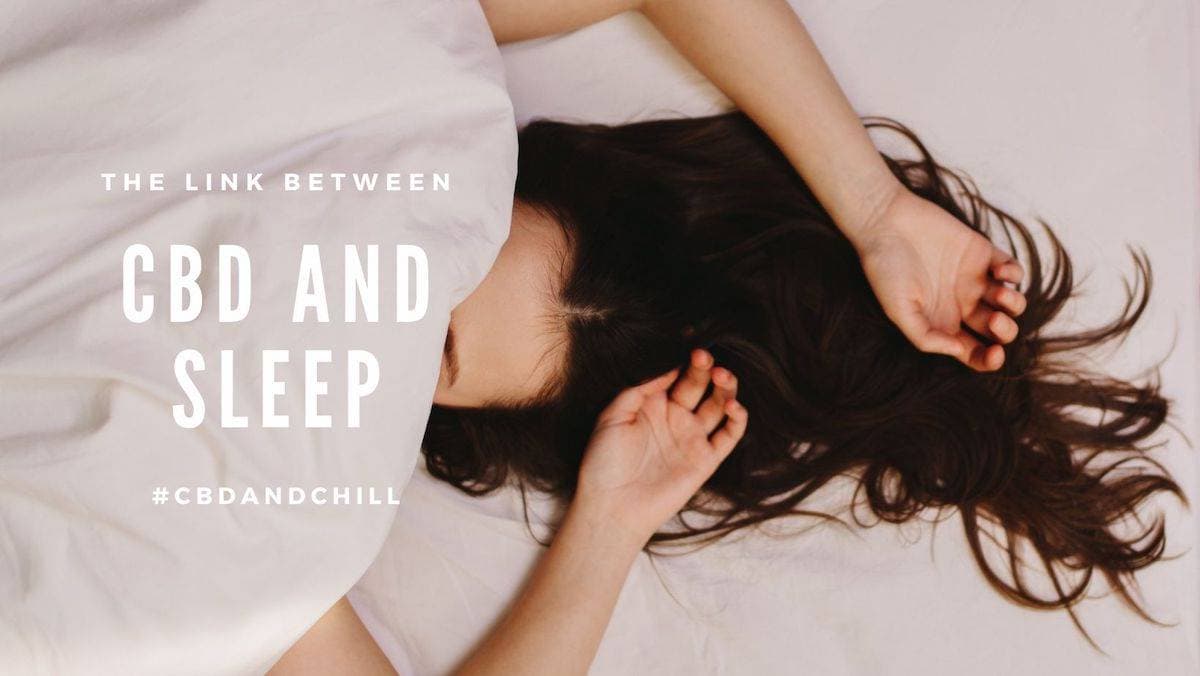
Insomnia is one of the most common sleep complaints, and a growing number of people reach for CBD when they struggle to fall or stay asleep. We dug into the research, got a little nerdy, and pulled together what the studies actually show. If you want a better night's rest, understanding how CBD interacts with stress hormones and the nervous system helps you use it sensibly.
Cannabis has long been used both recreationally and therapeutically. Its two best-known active compounds are tetrahydrocannabinol (THC) and cannabidiol (CBD), and they affect the brain very differently. Unlike THC, CBD does not make you feel high. Interest in CBD has climbed sharply in recent years, and with that popularity has come a real push for rigorous research, including its potential as a sleep aid.
The Research
So what does the science say? The most encouraging signal comes from a 2025 randomized, placebo-controlled crossover trial. Researchers gave 125 adults with diagnosed insomnia a formulation of 300 mg CBD plus eight terpenes, taken at least four nights a week for four weeks, and measured sleep stages with wrist-worn trackers. The formula increased combined slow-wave and REM sleep by roughly 1.3% of total sleep time versus placebo, and highly responsive participants gained about 48 minutes of restorative sleep per night, with no adverse events reported (Journal of Clinical Sleep Medicine, 2025).
Earlier work pointed in a similar direction. A frequently cited 2019 case series followed 72 adults whose main concerns were anxiety or poor sleep. Within the first month, anxiety scores dropped in 79.2% of patients, and sleep scores improved in 66.7%. Notably, the sleep benefit fluctuated over the study period, while the anxiety benefit held steadier (The Permanente Journal, 2019).
That fluctuation is a clue to how CBD may work for sleep: indirectly. Cortisol is the body's primary stress hormone. It normally peaks in the morning, but people with insomnia often show elevated cortisol at night, which can make falling asleep harder. Research on cortisol regulation suggests stress and sleep are tightly linked, and that calming the stress response can make rest easier to reach (Hirotsu et al., 2015). For many people, CBD seems to help sleep less by sedating them and more by quieting the anxiety that keeps them up.
The honest summary: research suggests CBD may help with sleep in the short term, particularly when poor sleep is tied to stress or anxiety. The picture for sustained, long-term sleep improvement is less clear, and individual responses vary widely.
Potential side effects
Across the available studies, CBD is generally well tolerated. The most commonly reported effects are mild, including dry mouth, drowsiness or mental sedation, and changes in appetite. Some people report fatigue, though there is reason to believe this is dose-related rather than universal.
Tolerability holds even at high doses. A clinical review noted that daily intake of 10 to 400 mg of CBD across various delivery routes did not produce toxic effects, and that doses up to 1,500 mg per day were well tolerated in study participants (Iffland and Grotenhermen, 2017). One important caveat: CBD can interact with certain medications by affecting how the liver metabolizes them. If you take prescription drugs, talk with your healthcare provider before adding CBD. Because CBD is still relatively new to mainstream research, more long-term data is needed.
CBD’s other functions
At Pure Roots Botanicals, we see CBD as multifunctional: its potential extends well beyond sleep, and the right product depends on the individual and the goal. Our USDA Certified Organic CBD tinctures are made from full-spectrum extract grown on our own farm, so the supporting cannabinoids and terpenes stay intact rather than being stripped away.
Beyond rest, people use CBD to support a calmer baseline during stressful days, to ease everyday tension, and to aid recovery. We also offer formats for different needs, including options for pets. Whatever the use case, we recommend starting low, going slow, and choosing products with public lab results so you know exactly what you are taking.
- Everyday calm and stress support during demanding days
- Recovery and post-activity comfort
- Wind-down routines that target the anxiety behind restless nights
Summary
Some clinicians remain cautious about whether CBD can reliably treat sleep conditions, and that caution is fair. But a meaningful and growing body of evidence suggests CBD may help improve sleep, often by reducing the stress and anxiety that disrupt it. The strongest recent data, a 2025 randomized controlled trial, showed measurable gains in restorative sleep with a good safety profile.
What we still need is more research on long-term effects and on what the ideal dose looks like for different people. CBD is not a cure for insomnia, and it is not a replacement for good sleep habits or medical care. If you are struggling to sleep and have ruled out other causes with a professional, CBD may be a reasonable, well-tolerated option worth exploring. Choose certified, lab-tested products and consult your healthcare provider, especially if you take other medications.
Sources
- Saleska, J. L., et al. (2025). Effects of a cannabidiol/terpene formulation on sleep in individuals with insomnia: a double-blind, placebo-controlled, randomized, crossover study. Journal of Clinical Sleep Medicine. pmc.ncbi.nlm.nih.gov/articles/PMC11701282
- Shannon, S., et al. (2019). Cannabidiol in anxiety and sleep: a large case series. The Permanente Journal. pmc.ncbi.nlm.nih.gov/articles/PMC6326553
- Iffland, K., and Grotenhermen, F. (2017). An update on safety and side effects of cannabidiol: a review of clinical data and relevant animal studies. ncbi.nlm.nih.gov/pmc/articles/PMC5569602
- Hirotsu, C., et al. (2015). Interactions between sleep, stress, and metabolism: from physiological to pathological conditions. ncbi.nlm.nih.gov/pmc/articles/PMC4688585
- Bergamaschi, M. M., et al. (2011). Safety and side effects of cannabidiol, a Cannabis sativa constituent. pubmed.ncbi.nlm.nih.gov/22129319
- Thau, L., et al. (2023). Physiology, cortisol. StatPearls. ncbi.nlm.nih.gov/books/NBK538239
Found this useful? Share it.
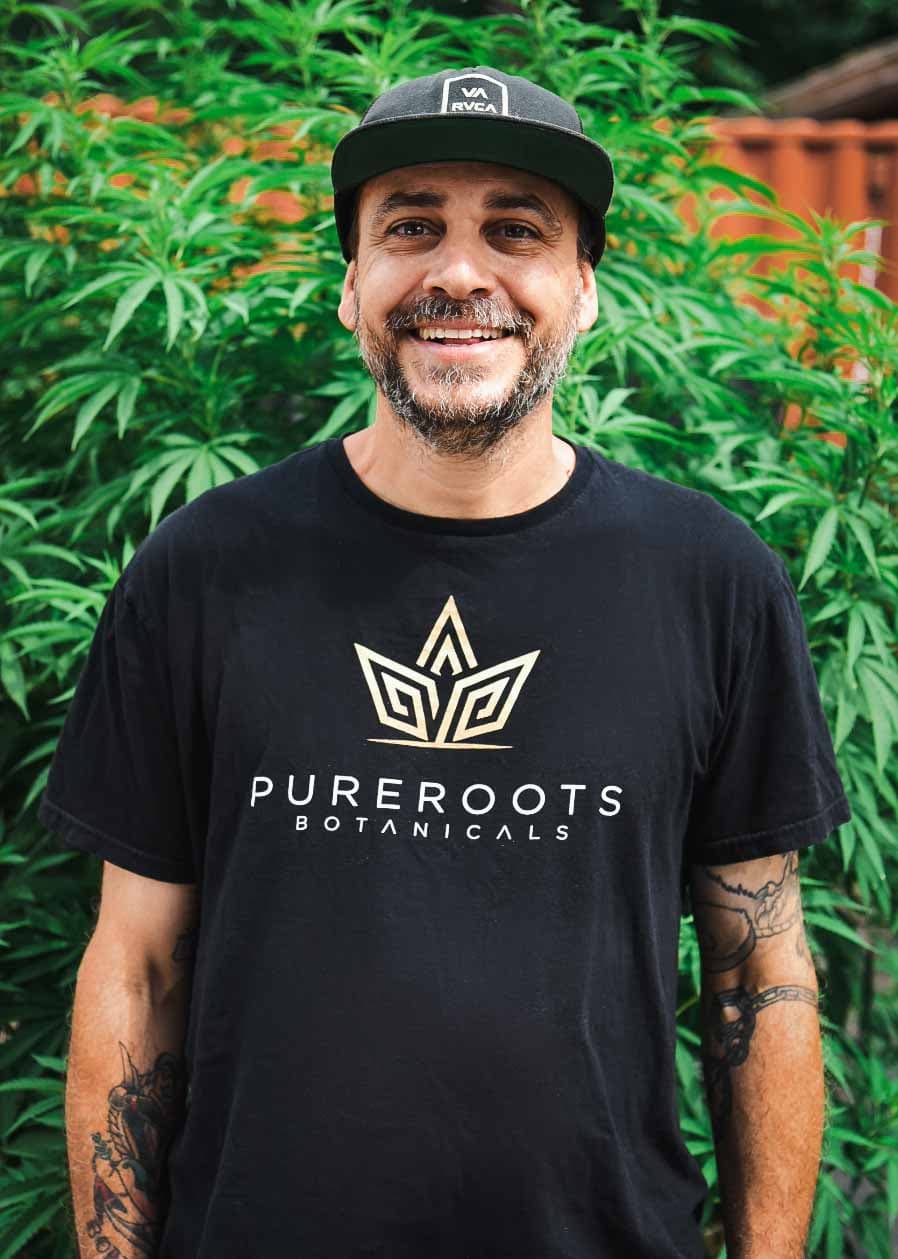
Written by
Ben Cerullo
Founder & Master Grower · Pure Roots Botanicals
Ben Cerullo founded Pure Roots Botanicals after years in organic agriculture, driven by a belief that hemp consumers deserve federal-grade transparency. He manages USDA Certified Organic operations at the North Carolina farm (NOP ID: 5561006795) and writes on hemp education, organic certification, and consumer safety.