If you are thinking about trying THCA flower, you probably already know the appeal: relaxation, plant-based wellness, and legal access in many states. But once you start shopping, one thing separates the best flower from the rest, and it is not the potency number on the label. It is organic certification.
With USDA Certified Organic THCA flower, you get a product grown with documented care, from the soil up. Below are the top five reasons going organic is worth your consideration, and why the difference shows up in the smoke, the effects, and your peace of mind.
Clear, clean smoke
The most immediate benefit of organic THCA is purity. Conventional cannabis is often grown with synthetic pesticides, chemical fertilizers, and herbicides. Those inputs can boost yield, but they also leave residues, and when you light the flower, some of that residue heads straight into your lungs.
This is not a hypothetical worry. Independent investigations keep turning up contaminated product. A 2024 review of California testing documented pesticide-tainted cannabis slipping through regulatory gaps, in both legal and illicit channels (Beyond Pesticides, 2024). Organic THCA flower is grown without synthetic pesticides or harmful chemicals, so what you inhale is the clean, natural flavor and compounds of the plant. For a lot of consumers, a smoother, chemical-free smoke is reason enough to go organic. A high-quality flower should taste as good as it makes you feel.
Potent, Natural Effects
Organic cultivation lets the plant develop on its own terms. When cannabis grows in healthy, living soil without chemical interference, its cannabinoids, including THCA, have the chance to reach their full potential. The result tends to be potent yet balanced, the way the plant was meant to express itself.
Many users describe the effects of organically grown cannabis as feeling cleaner or clearer than conventional flower. That perception likely traces back to richer cannabinoid and terpene profiles and the absence of chemical residues. There is also a simple sourcing logic here: heated THCA converts to THC at up to an 87.7% ratio (Confidence Analytics), so the strength is real either way, and organic growing means that strength arrives without the baggage.
Peace of Mind for Health-Conscious Users
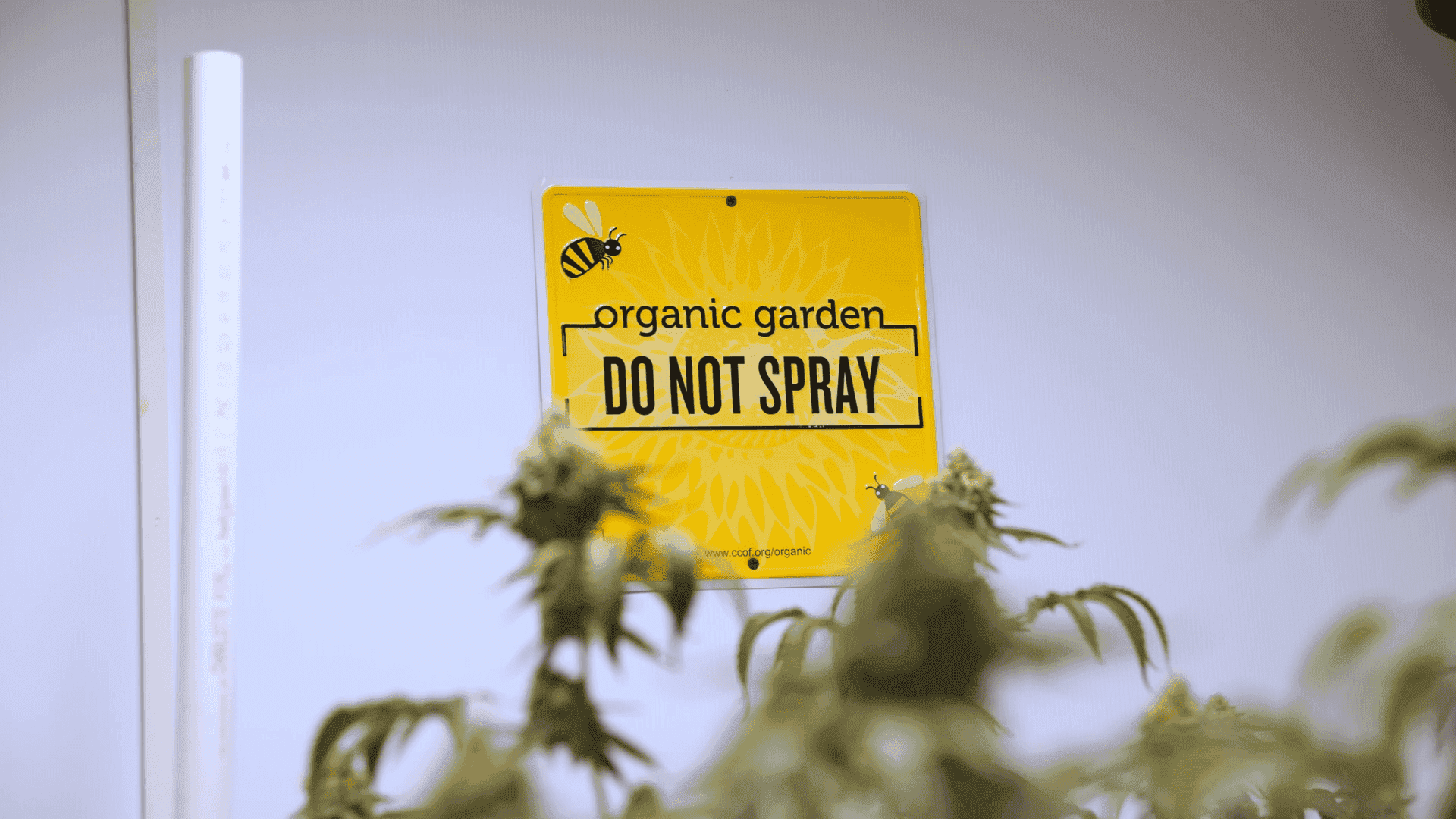
For health-conscious users, what is not in the flower matters as much as what is. The USDA Organic seal is a strict, federally enforced standard. It certifies that the crop was grown without synthetic pesticides and without GMOs, verified through mandatory annual on-site inspection by a USDA-accredited certifier. Everything has to be documented, and no prohibited spray is allowed near the farm.
Transparency follows naturally. Certified farms have nothing to hide and typically share Certificates of Analysis, sometimes listing them publicly. That said, not every COA is created equal. Some operations sterilize buds before testing, which can mask the presence of certain contaminants, and lab results only reflect what was tested for. Certification closes that loophole, because it audits the entire growing process, not just a single sample. Certification means no shortcuts.
Better Terpene Profiles
If you care about how flower tastes and smells, terpenes are the stars, and they thrive in an organic environment. Terpenes are the aromatic compounds that give each strain its signature character, and they develop most fully when the plant is not fighting off chemical stress.
Remember, cannabis is a heavy accumulator. Grown organically, it can pour its energy into building robust terpene content instead of coping with synthetic inputs. A citrus-forward strain delivers brighter, zestier notes; an earthy, pine-scented strain offers deeper, richer undertones. That fuller terpene profile does more than improve flavor. It feeds the entourage effect, the synergy in which terpenes and cannabinoids work together to shape and enhance the overall experience.
Unique Insight
Here is the part that gets overlooked: terpenes are volatile and fragile. Harsh chemical residues and aggressive post-harvest processing degrade them. So an organic grow does not just avoid adding contaminants; it protects the very compounds that make craft flower taste and smell alive. Clean inputs and careful curing are two sides of the same quality coin.
Environmentally Friendly Cultivation
Choosing organic THCA flower is also a win for the planet. Organic farms skip the chemical mix of synthetic pesticides and fertilizers, which means less runoff polluting rivers and oceans and healthier soil for the next crop. The benefit is measurable: organic systems show 32 to 84% greater soil microbial activity than conventional ones (PLOS One meta-analysis), the living foundation that keeps farmland productive over time.
It is not only about cleaner water and soil. Organic practices encourage biodiversity. A hierarchical meta-analysis of 94 studies found organic farming increases species richness by about 30% on average, supporting more plants, more beneficial insects, and a more balanced ecosystem (Tuck et al.). Think of it as nature's companion-planting plan, with everything working together. So the next time you enjoy organic THCA flower, you are getting a cleaner, tastier smoke and supporting a healthier planet. If the hemp plant has your back, it is only fair to return the favor.
Curious what a truly clean smoke feels like? Our USDA Certified Organic THCA flower is grown the way nature intended, on our own farm in North Carolina. Explore our organic THCA flower →
What does USDA Certified Organic mean for THCA flower?
It means the hemp was grown without synthetic pesticides, herbicides, or GMOs on land free of prohibited substances for at least 36 months, verified by mandatory annual inspection from a USDA-accredited certifier. Unlike "organically grown," the USDA seal is a legally enforced federal standard with no shortcuts.
Is organic THCA flower stronger than conventional flower?
Potency depends on the strain and THCA percentage, not organic status; heated THCA converts to THC at up to 87.7% either way (Confidence Analytics). What organic growing adds is cleaner effects, richer terpenes, and no chemical residue, which many users describe as a clearer, smoother experience.
Why does organic matter more for cannabis than other crops?
Hemp is a bioaccumulator: it pulls heavy metals, pesticide residues, and industrial chemicals from soil and concentrates them in its tissue. That means the soil history matters enormously. Certified organic flower documents a clean, audited soil background, reducing the contaminants you could otherwise inhale.
Can I trust a lab report instead of certification?
A third-party COA is valuable, but it only reflects what was tested, and some operations sterilize buds before testing. Certification audits the entire growing process, not a single sample. The strongest assurance combines both: USDA Organic certification plus a public Certificate of Analysis.
Is organic cannabis better for the environment?
Yes. Organic farming increases farmland species richness by about 30% on average (Tuck et al. meta-analysis) and supports 32 to 84% greater soil microbial activity than conventional systems (PLOS One). It also reduces chemical runoff into waterways, making each harvest gentler on surrounding ecosystems.
Found this useful? Share it.
Written by
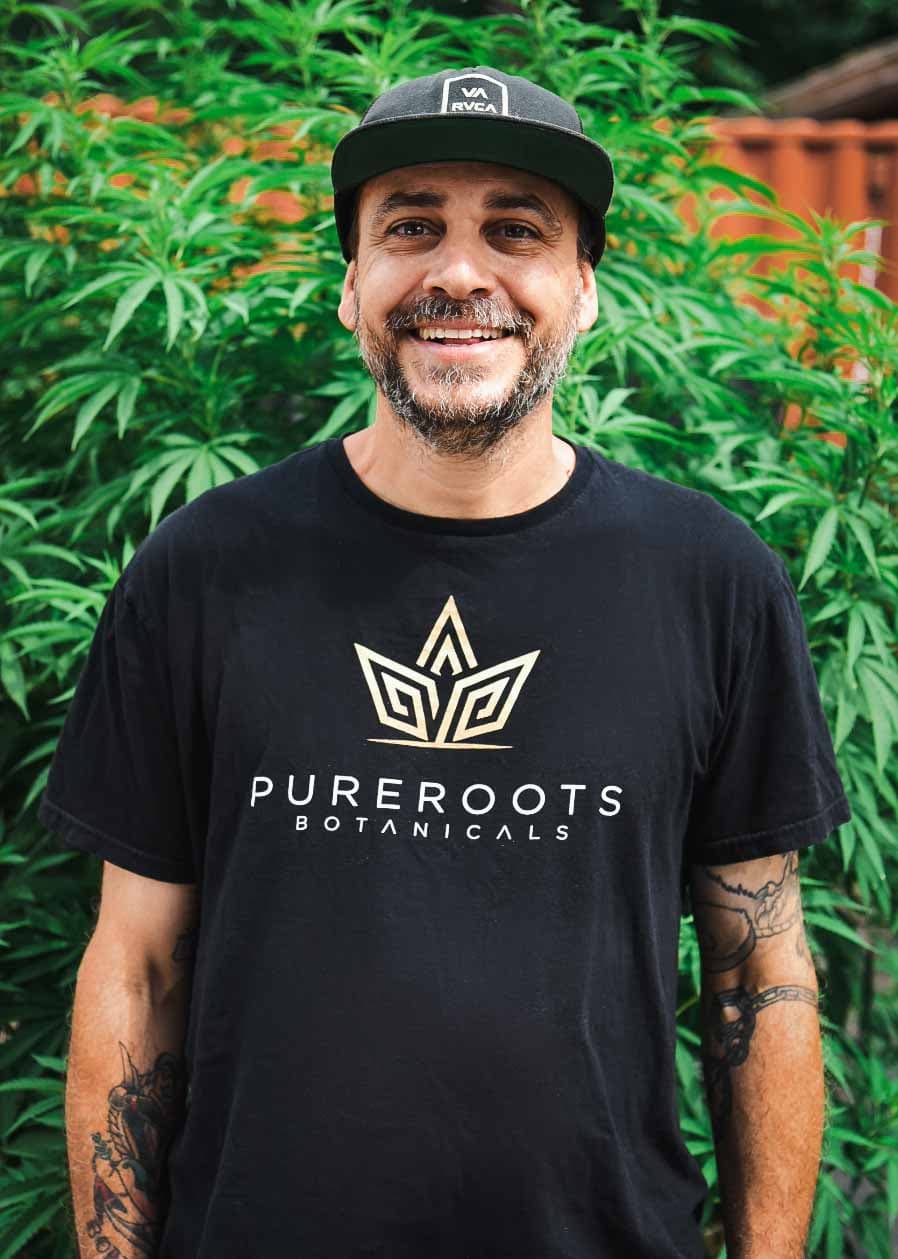
Ben Cerullo
Founder & Master Grower · Pure Roots Botanicals
Ben Cerullo founded Pure Roots Botanicals after years in organic agriculture, driven by a belief that hemp consumers deserve federal-grade transparency. He manages USDA Certified Organic operations at the North Carolina farm (NOP ID: 5561006795) and writes on hemp education, organic certification, and consumer safety.