There is flower, and then there is flower. Not all buds are the same, and the gap rarely shows up where most shoppers look. Lab tests report THC and THCA percentages, but those numbers only scratch the surface. If you care about taste, aroma, and the true character of the plant, small-batch is where it lives.
Small-Batch vs Mass Production: Two Different Philosophies
The biggest difference in cannabis is not strain or potency. It is the philosophy behind how the plant was grown, and it matters more than most people think. Small-batch and mass production start from opposite goals: one optimizes for quality, the other for volume.
Quality Over Quantity
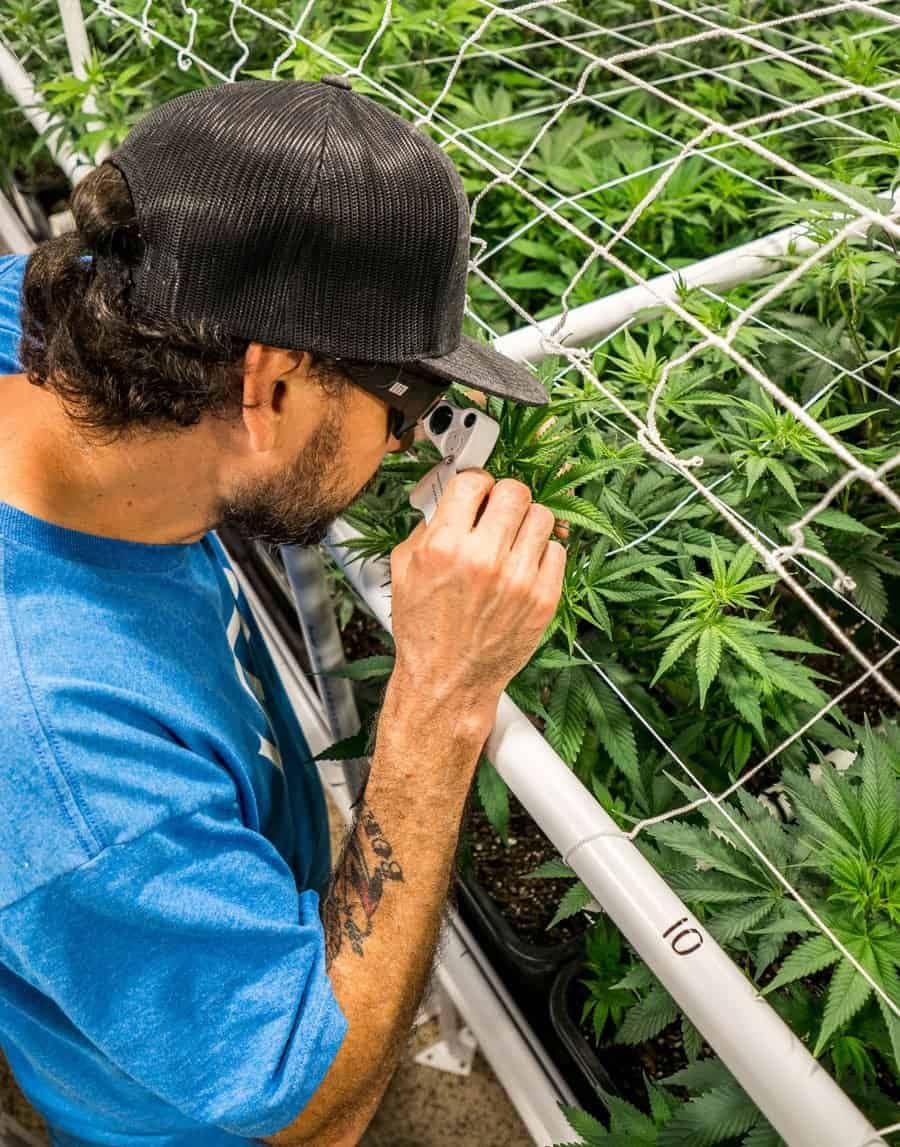
Small-batch cannabis is grown with care, usually by hands-on cultivators who oversee every step from seed to cure. These growers track genetics, soil health, and harvest timing closely, and that attention produces better flavor, fuller terpene profiles, and more consistent effects. It is craft cannabis, plain and simple, and it is exactly what the market is moving toward. Demand is rising for premium, strain-specific products made with artisanal methods (Verified Market Reports, 2024).
Mass production focuses on scale. Large facilities run thousands of plants at once and lean on automation and shortcuts to maximize yield. The result is often less nuanced flavor, uneven quality, and a greater risk of chemical residues or over-dried flower.
Lab Results Don’t Tell the Whole Story
Two flowers can post nearly identical THC numbers on a Certificate of Analysis and still deliver completely different sessions. Small-batch flower usually tastes better, hits smoother, and lasts longer because it was properly cured and never rushed. The potency line on the COA looks similar; the experience is not. It is the difference between fast food and a home-cooked meal: the calorie counts may match, but you know which one you would rather eat.
A COA still matters, especially for safety. It should screen for pesticides, heavy metals, and microbials, not just potency. That contaminant screening is where mass-produced flower most often falls short. In 2024, a peer-reviewed analysis of 202 commercial CBD products found 15% tested positive for pesticide residues (Frontiers in Pharmacology, 2024). The number on the label is only half the story.
| Factor | Small-Batch Cannabis | Mass-Produced Cannabis |
|---|---|---|
| Cultivation | Hands-on, plant-by-plant attention; harvested at peak | High-volume automation; harvested on a yield schedule |
| Curing | Slow, controlled cure preserves terpenes | Often rushed or over-dried to move product faster |
| Flavor & aroma | Fuller terpene profile, more nuance | Flatter, less distinct |
| Consistency | Tight batch control by the same growers | Quality can vary lot to lot |
| Contaminant risk | Lower when grown organically and tested | Higher risk of residues or over-drying at scale |
| What the COA shows | Potency plus the lived experience behind it | Potency numbers that can look similar on paper |
Certified Organic, No Compromises
Calling a product natural is not enough. Plenty of brands say organic and cannot back it up, because without the USDA Organic seal the word carries no enforced federal definition and triggers no inspection. The seal is the only federal hemp standard backed by mandatory third-party audits, and it is also the most trusted agricultural label in the country, with 70% of U.S. consumers reporting they trust it (Organic Trade Association / Euromonitor, 2023).
Pure Roots Botanicals is one of the few hemp companies in the world holding USDA Certified Organic status. Our soil, our inputs, and even our post-harvest practices are held to the strictest standards in agriculture. No synthetic pesticides. No synthetic fertilizers. No spray-it-and-say-it-is-organic games. Just real farming, verifiable at organic.ams.usda.gov.
From Seed to Sale: The Full Journey
Here is what it actually looks like behind the scenes.
We start with carefully selected genetics, nothing mass-produced. We plant in living soil where cover crops and compost feed the earth instead of chemicals. We nurture each plant by hand, watching health, sun exposure, and terpene development. At harvest we cut at the right moment, never rushed.
Then comes extraction. We press fresh-frozen flower using heat and pressure only, with no solvents and no residues, to produce pure live rosin. Our team formulates every gummy and jars every nug with care, then packs and ships it fast and fresh. Every step happens on our farm or in our facility. That is what seed to sale actually means.
Why That Matters to You
When you buy from Pure Roots, you are not guessing where your hemp came from or who handled it. Purity equals trust: you know exactly what is in your flower or gummy. Organic equals better for your body and the planet, with no synthetic chemicals in the growing process. In-house equals better quality, more flavor, more effect, and fewer risks.
That last point is the whole argument for small-batch. When one team grows, cures, and tests every lot, the quality control that mass production sacrifices for speed is exactly what we keep. You can taste the difference, and you can feel it too.
Why We Use Live Rosin (Not Distillate)
Most hemp gummies on the market use distillate, a cheap, stripped-down THC with the flavor and character refined out of it. Distillate is heavily processed until nearly all the original plant compounds are gone, and manufacturers often add synthetic terpenes back in to imitate flavor (Twenty One Cannabis, 2025). We don't do that.
We use only live rosin made from our certified organic hemp. It is solventless, full-spectrum, and packed with the plant's natural terpenes. That is what gives our Delta-9 gummies their clean, euphoric lift and their unmistakable fresh-squeezed flavor. Once you try them, you will get it.
Unique Insight
Small-batch and live rosin come from the same conviction. Both reject the shortcut. A mass producer presses for yield and refines for cheap consistency; a craft grower slows down to protect the terpenes that make the plant worth growing. The philosophy you can taste in the flower is the same one you can taste in the gummy.
This Is Bigger Than a Brand
We are not just here to sell you something. We are here to raise the bar. Pure Roots is not part of the noise. We are the ground it grows from. Every flower, every gummy, every decision is rooted in real care, for the plant, for the planet, and for you.
So if you have been looking for something cleaner, stronger, and more honest, welcome. You have found it. Try our organic THCA flower or our Delta-9 live rosin gummies and feel the difference that comes from the source.
Frequently Asked Questions
What is the difference between small-batch and mass-produced cannabis?
Small-batch cannabis is grown and cured by hands-on cultivators who control every step, producing fuller flavor, richer terpenes, and steadier effects. Mass production optimizes for yield through automation, which can mean flatter flavor, uneven quality, and higher contaminant risk. The craft segment was valued near $12.6 billion in 2024 (Verified Market Reports).
Do lab results show which cannabis is better quality?
Only partly. A COA reports cannabinoid potency and contaminant screening, both important for safety, but it cannot capture cure quality, terpene richness, or smoothness. Two flowers with matching THC numbers can smoke very differently, which is why curing and growing practice matter as much as the percentage.
Why does small-batch flower taste better?
Because it is slow-cured and never rushed, which preserves the volatile terpenes responsible for aroma and flavor. Hands-on growers also harvest at peak ripeness and grow in healthier soil. Mass production tends to over-dry or rush curing to move volume, stripping away those delicate compounds.
Is Pure Roots cannabis small-batch and organic?
Yes. Pure Roots grows small-batch, USDA Certified Organic THCA flower in-house in North Carolina, hand-tended in living soil with no synthetic pesticides or fertilizers. Every batch is third-party lab tested with a public Certificate of Analysis, and our organic status is verifiable at organic.ams.usda.gov.
Found this useful? Share it.
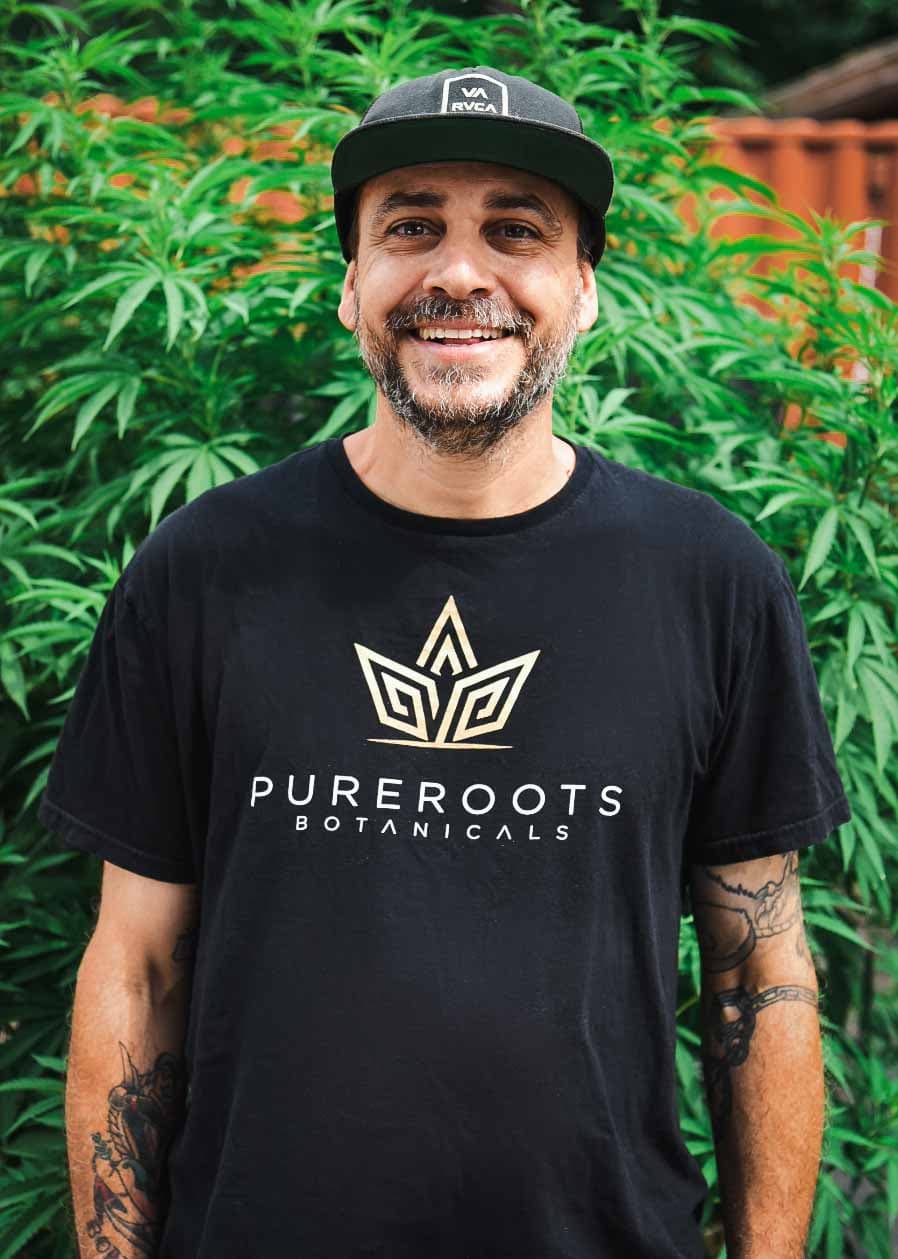
Written by
Ben Cerullo
Founder & Master Grower · Pure Roots Botanicals
Ben Cerullo founded Pure Roots Botanicals after years in organic agriculture, driven by a belief that hemp consumers deserve federal-grade transparency. He manages USDA Certified Organic operations at the North Carolina farm (NOP ID: 5561006795) and writes on hemp education, organic certification, and consumer safety.