What is THCA and Where Does It Come From?
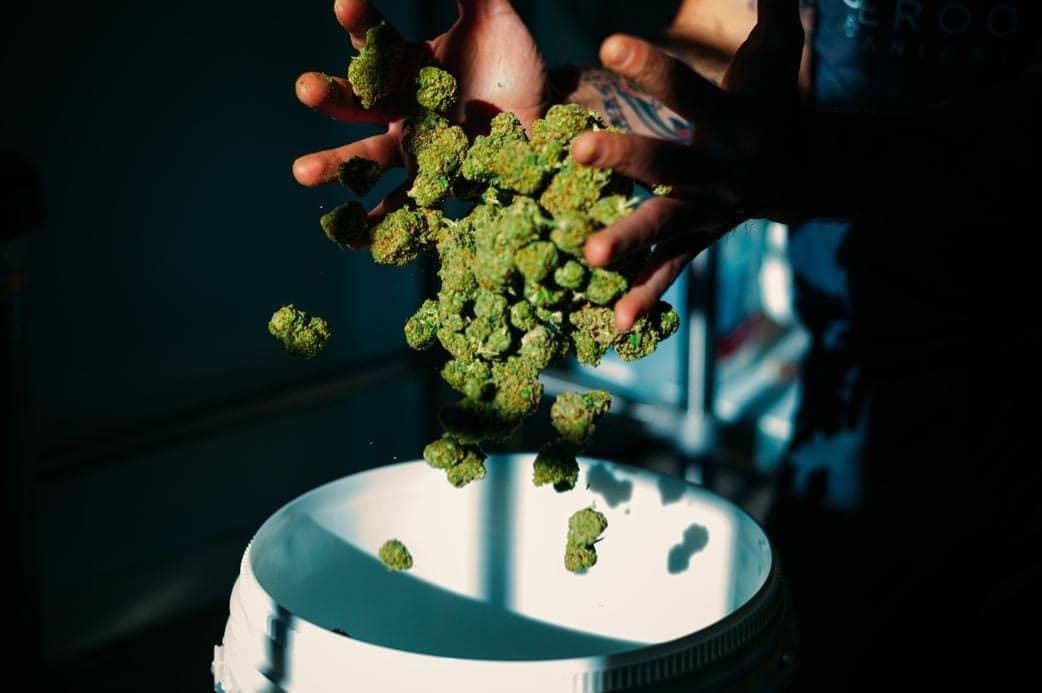
THCA is tetrahydrocannabinolic acid, the raw acidic precursor to THC that the cannabis plant actually produces while it grows. In its natural state it does not get you high. THCA is non-intoxicating until heat converts it into delta-9 THC, the compound responsible for the classic cannabis effect.
Think of THCA as THC before it wakes up. Living and freshly harvested cannabis is rich in cannabinoid acids, not active cannabinoids. The plant synthesizes THCA from CBGA (the so-called mother cannabinoid), and only time, light, and heat begin nudging that acid toward THC. Eat raw THCA flower and you get the cannabinoid acid with none of the buzz. Apply heat and the chemistry flips.
So, where does THCA come from?
It comes from ordinary cannabis plants, including hemp, harvested and handled to keep the acid intact. Growers cure at controlled temperatures and avoid the prolonged heat that would prematurely convert THCA into THC. The result is flower that tests high in THCA and low in delta-9 THC. That distinction is exactly what placed THCA flower inside the hemp category under the 2018 Farm Bill, which defined hemp by its delta-9 THC content of 0.3% or less by dry weight. As you will see below, that definition was rewritten in late 2025.
What Are the Effects of THCA Flower?
Raw THCA produces no high. Heat changes everything. When you smoke, vape, or cook THCA flower, decarboxylation converts the acid into delta-9 THC, and the experience becomes indistinguishable from any other THC flower. Consume it raw in a smoothie or salad and you feel no intoxication at all.
That heat-activated switch is the whole appeal. You control whether the cannabinoid stays inert or turns psychoactive. The conversion is not total, though. Some THCA is lost as carbon dioxide gas during the reaction, and real-world conditions never hit the theoretical ceiling.
So, does smoking THCA get you high?
Yes. Once heated, THCA becomes THC, and THC is THC whether it started as flower from a dispensary or as converted THCA from hemp. The theoretical maximum conversion is roughly 87.7%, because THC weighs less than THCA by exactly that ratio: the THC molecule (molecular weight 314.47) is what remains after THCA (358.48) sheds a carbon-dioxide group (Confidence Analytics). So 20% THCA yields a theoretical maximum of about 17.5% THC. Actual yield depends on temperature and time, and overheating evaporates THC rather than building it (European Industrial Hemp Association).
What Are the Benefits of THCA ?
Beyond the heat-activated high, THCA itself is drawing scientific interest for non-intoxicating effects. A 2025 review in the Journal of Cannabis Research reports that acidic cannabinoids including THCA show anti-inflammatory, neuroprotective, anti-nausea, and anticonvulsant activity in preclinical models, acting through PPARγ activation and COX-2 inhibition (Journal of Cannabis Research, 2025). These are early findings, not medical claims.
The inflammation angle is the most discussed. By engaging PPARγ receptors and dampening inflammatory signaling molecules such as TNF-alpha and IL-6, THCA shows anti-inflammatory potential in laboratory studies. People exploring it for everyday aches tend to be drawn to this mechanism, though human trials are still scarce.
Researchers are also studying the brain. A 2023 study found that CBDA and THCA crossed the blood-brain barrier and reduced amyloid-beta and tau pathology in an Alzheimer's-disease mouse model, hinting at neuroprotective potential (International Journal of Molecular Sciences, 2023). And THCA, like THC, is studied for easing nausea and supporting appetite, which matters for people coping with the side effects of demanding treatments.
Unique Insight
Here is the catch most articles skip. The moment you light a THCA pre-roll, you have decarboxylated the acid into THC, so you are no longer consuming THCA at all. The non-intoxicating, acid-specific benefits researchers study apply to raw or gently processed THCA, not to smoked flower. If those acid-form properties are what interest you, raw consumption or low-heat methods preserve them. Smoking delivers a THC experience.
Is THCA Legal?
This is where the honest answer changed. In November 2025, President Trump signed Public Law 119-37, which rewrote the federal definition of hemp to use a total-THC standard that counts THCA, not just delta-9 THC. The new formula is total THC = delta-9 + (0.877 × THCA), capped at 0.3% by dry weight, with a grace period before it takes effect (Frier Levitt, 2025). A September 2026 law, Public Law 119-103, extended that grace period for naturally occurring cannabinoids such as THCA.
That grace period ends December 11, 2026. After that date, high-THCA hemp flower will mathematically exceed the 0.3% total-THC limit and lose its federal hemp status (Cannabis Business Times, 2025). During the grace window, compliant THCA flower remains federally legal under the older delta-9-only test, but the runway is closing.
State law adds another layer, and several states moved faster than Washington. THCA is already banned or heavily restricted in more than a dozen states, including Idaho, Tennessee, Florida, Georgia, Virginia, Arkansas, Hawaii, Kansas, Rhode Island, and South Dakota, with others restricting retail sales (The Haze Connect, 2026). Check your own state before ordering. The federal grace period does not override a state ban.
| Time / Jurisdiction | Legal Standard Applied | Practical Result for THCA Flower |
|---|---|---|
| Before Dec 11, 2026 (grace period) | Delta-9 THC only, ≤0.3% dry weight | Compliant hemp THCA flower is federally legal |
| From Dec 11, 2026 | Total THC = delta-9 + (0.877 × THCA), ≤0.3% dry weight | High-THCA flower exceeds the limit and becomes federally unlawful |
| Restrictive states (now) | Total-THC standard adopted early or flower banned outright | Already prohibited or heavily restricted regardless of federal grace period |
Where Can You Buy THCA Flower?
Buy from a source that grows its own flower and publishes lab results, because the THCA market has long had a quality and safety problem. At Pure Roots Botanicals, our THCA flower is USDA Certified Organic, grown indoors in living organic soil under Controlled Environment Agriculture on our own farm in North Carolina. We grow it, we test it, and we never spray cannabinoids onto inert biomass to fake potency.
Transparency is not optional here. Every batch is third-party lab tested, and each Certificate of Analysis is posted publicly on our COA page and on the individual product page. You can see the cannabinoid profile and the contaminant screening before you ever click add to cart. You can also verify our organic status directly in the federal database at organic.ams.usda.gov.
Given the December 11, 2026 federal deadline and the patchwork of state laws, sourcing matters more than ever. A certified, transparent grower will tell you exactly what is in the jar and where it was grown. Browse our USDA Certified Organic THCA flower and read the COA before you buy.
Takeaway
THCA is cannabis with a built-in switch. It stays non-intoxicating until heat converts it to THC, which puts you in control of the experience. The plant-acid form is genuinely interesting to researchers studying inflammation and neuroprotection, though human evidence is still early and nothing here is medical advice.
Be smart about the law. The 2018 Farm Bill window that made high-THCA hemp federally legal is closing under Public Law 119-37, with the grace period ending December 11, 2026, and many states have already moved ahead of that date. Check your state, then buy only from a certified, lab-transparent source. In a market with plenty of shady operators, knowing exactly who grew your flower is the difference that protects you.
Frequently Asked Questions
Does THCA get you high?
Not in its raw form. THCA is non-intoxicating until heat converts it to delta-9 THC through decarboxylation. Once you smoke, vape, or cook it, you feel a normal THC high. The theoretical maximum conversion is about 87.7%, set by the molecular-weight ratio of THC (314.47) to THCA (358.48).
Is THCA flower still federally legal in 2026?
During the grace period, yes. Public Law 119-37, signed November 12, 2025, redefined hemp using a total-THC formula that counts THCA, but it included a grace period, later extended by Public Law 119-103, that ends December 11, 2026 (Frier Levitt, 2025). After that date, high-THCA flower exceeds the 0.3% total-THC limit federally.
What is the 0.877 number for THCA?
It is the molecular-weight ratio used to estimate how much THC a given amount of THCA can produce. THC (314.47) divided by THCA (358.48) equals 0.8772, so 20% THCA yields a theoretical maximum of about 17.5% THC (Confidence Analytics). Real conversion is lower due to evaporation and degradation.
What are the potential benefits of THCA?
Preclinical research links THCA to anti-inflammatory and neuroprotective activity through PPARγ activation and COX-2 inhibition, plus possible anti-nausea effects (Journal of Cannabis Research, 2025). These are early laboratory findings, not proven medical treatments, and human clinical evidence remains limited.
How do I know a THCA flower is safe and authentic?
Look for USDA Certified Organic flower from a grower that publishes a current third-party Certificate of Analysis for every batch. The COA should show cannabinoid potency and screening for pesticides, heavy metals, and microbials. Pure Roots posts every COA publicly and its organic status is verifiable at organic.ams.usda.gov.
Is THCA legal in my state?
It depends. THCA is already banned or heavily restricted in more than a dozen states, including Idaho, Tennessee, Florida, Georgia, and Virginia, with others limiting retail sales (The Haze Connect, 2026). Always confirm your current state law before purchasing, since the federal grace period does not override a state ban.
Found this useful? Share it.
Written by
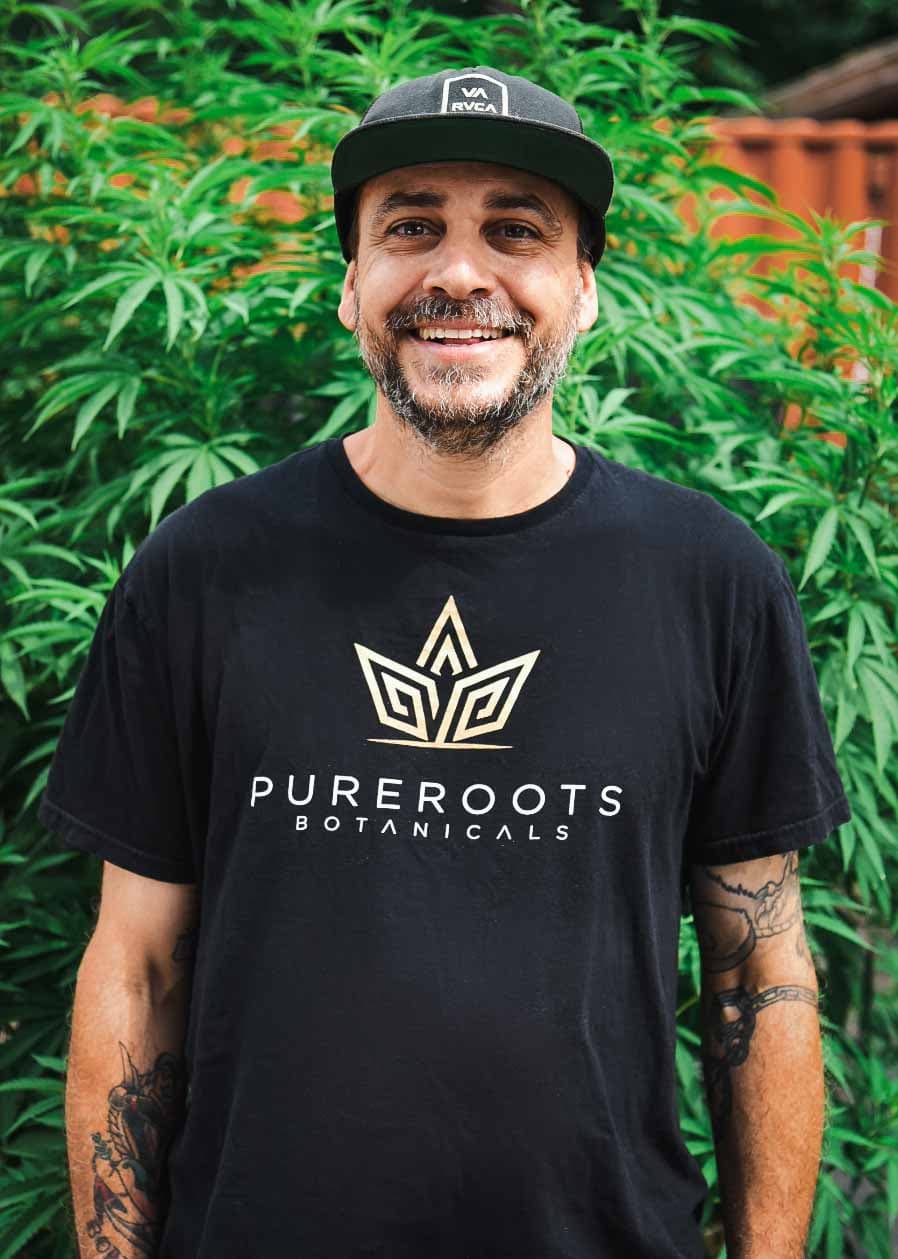
Ben Cerullo
Founder & Master Grower · Pure Roots Botanicals
Ben Cerullo founded Pure Roots Botanicals after years in organic agriculture, driven by a belief that hemp consumers deserve federal-grade transparency. He manages USDA Certified Organic operations at the North Carolina farm (NOP ID: 5561006795) and writes on hemp education, organic certification, and consumer safety.