
The entourage effect is the idea that the dozens of compounds in cannabis, cannabinoids, terpenes, and flavonoids, produce a richer, more balanced effect when they work together than any one of them does alone. The strongest evidence to date comes from a 2024 Johns Hopkins clinical trial, in which the terpene D-limonene measurably reduced THC-induced anxiety in human participants (Johns Hopkins Medicine, 2024). Most conversations about cannabis start and end with THC and CBD. The full picture is far more interesting.
What Is the Entourage Effect?
The entourage effect describes how cannabis compounds modulate one another. Smoking pure, isolated THC can produce a strong high, but it can also bring side effects like anxiety or paranoia. Add CBD, terpenes, and minor cannabinoids back in, and the experience tends to feel smoother and more rounded. Think of it as a band rather than a soloist. Each instrument changes how the others sound.
For years this was mostly anecdote. That changed in 2024. A double-blind, placebo-controlled study from Johns Hopkins and the University of Colorado found that participants who inhaled D-limonene alongside THC reported significantly less anxiety and paranoia than those who took THC alone, with the effect appearing in a dose-dependent way (Johns Hopkins Medicine, 2024). It is the clearest human proof yet that a terpene can reshape a cannabinoid's effect.
A word of honesty: the science is still developing. A comprehensive 2024 review in the journal Pharmaceuticals found promising evidence for specific pairings but concluded that the broad entourage effect remains unproven and needs more rigorous clinical trials (Pharmaceuticals, 2024). The full-spectrum, whole-plant approach is well supported in places and still being mapped in others.
THC, CBD, and THCA: The Power Players
Three compounds do most of the heavy lifting in any conversation about cannabis. If you already use cannabis you know two of them well. The third is the one most people overlook.
THC (tetrahydrocannabinol)
THC is the main intoxicating compound in cannabis and the source of the classic euphoric, floaty high. Beyond the high, it is widely studied for pain relief, appetite stimulation, and relaxation. The trade-off is that high doses can tip some people into anxiety or paranoia, which is exactly the effect the 2024 limonene research worked to counter.
CBD (cannabidiol)
CBD is non-intoxicating but far from inactive. It is commonly used for stress, inflammation, and sleep support. CBD's most interesting role may be as a partner to THC. When the two are present together, CBD appears to soften the high and reduce the likelihood of unwanted side effects, a textbook example of the entourage effect at work.
THCA (tetrahydrocannabinolic acid)
THCA is the raw, acidic precursor to THC, and it is the dominant cannabinoid in fresh, unheated flower. On its own, THCA does not get you high. It only converts to intoxicating THC through decarboxylation, when heat from smoking, vaping, or cooking drives off a carboxyl group (AVL Dispensary education, 2026). Raw THCA is studied for anti-inflammatory and anti-nausea properties, which is why some people juice raw cannabis to get the compound without the high.
The Other Cannabinoids You Should Know About
Beyond the big three, a supporting cast of minor cannabinoids shapes how a particular flower or extract feels. They appear in smaller amounts, but in a full-spectrum product they each add to the chemistry.
CBG (cannabigerol)
CBG is often called the "mother cannabinoid" because the plant produces it first, then converts it into THCA, CBDA, and others as it matures. Non-intoxicating, it is being studied for potential roles in mood, focus, and gut and eye health. Because most of it converts away during growth, CBG usually remains a minor component of the final flower.
CBC (cannabichromene)
CBC rarely gets the spotlight, but it earns its place. Non-intoxicating like CBG, it is being researched for pain modulation, mood, and even skin and acne applications. It is thought to contribute to the entourage effect by interacting with the body's pain and inflammation pathways rather than producing strong effects on its own.
CBN (cannabinol)
CBN is essentially what THC becomes as it ages and oxidizes. It is only mildly intoxicating and is most associated with sedation and sleep. If older flower that has been sitting around ever left you unusually drowsy, rising CBN content is the likely reason.
Trichomes: The Secret to Potent Cannabis
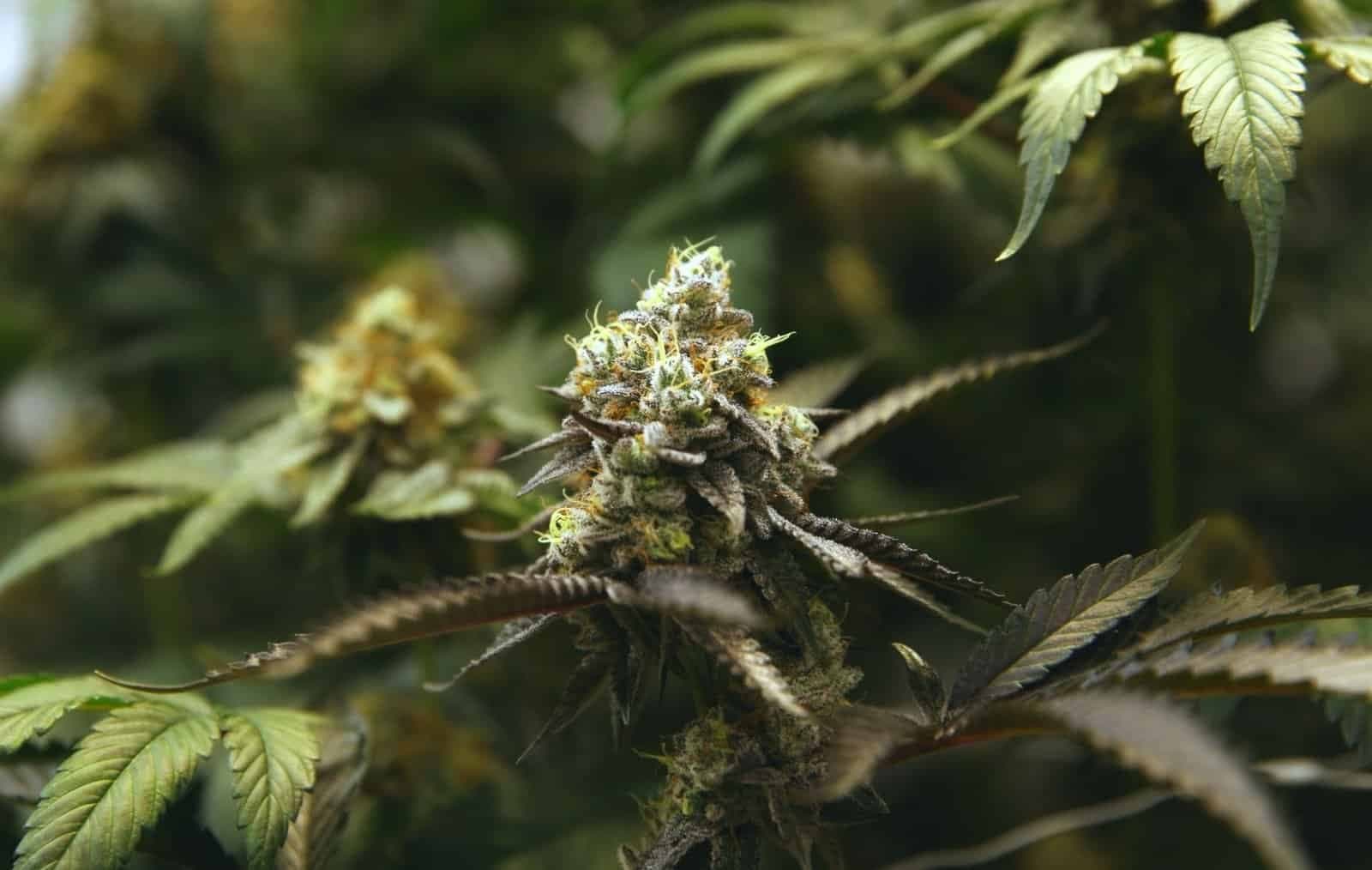
Those frosty, sticky crystals coating a quality bud are trichomes, the resin glands where nearly all of the plant's active chemistry is made. They are tiny factories, and they are the single best visual cue to a flower's potential. Here is why they matter so much:
- Trichomes synthesize and store THCA, CBD, and the other cannabinoids. More mature, intact trichomes generally mean a more potent flower.
- They also hold the terpenes and flavonoids responsible for a strain's aroma, flavor, and color.
- For the plant, trichomes are a defense system against pests, UV light, and harsh weather. For us, they are where the experience lives.
This is why harvest timing and gentle, hand-trimmed processing matter. The goal is to keep trichomes intact, because every broken one is lost potency and lost flavor.
Terpenes: The Flavors Behind the Experience
Terpenes are the aromatic oils that give cannabis its smell and flavor, from earthy and musky to bright and citrusy. They are not just scent, though. Terpenes shape the character of the experience, and the 2024 Johns Hopkins limonene trial proved at least one of them can directly change how a cannabinoid feels (Johns Hopkins Medicine, 2024). Here are some of the most common ones:
| Terpene | Aroma | Commonly Associated Effects |
|---|---|---|
| Myrcene | Earthy, musky | Associated with relaxation and the heavy "couch-lock" feeling |
| Limonene | Citrus | Uplifting; shown to reduce THC-induced anxiety in clinical testing |
| Linalool | Lavender, floral | Calming; commonly linked to stress relief and sleep |
| Pinene | Pine, fresh | Associated with alertness and focus |
| Caryophyllene | Peppery, spicy | Binds CB2 receptors; studied for analgesic effects |
This is also why a solventless extract like live rosin matters for flavor and effect. Harsh, high-heat extraction strips fragile terpenes away, while a gentle ice-water and pressure process preserves the aromatic profile the plant actually produced.
Flavonoids: The Colors and Extras Behind Cannabis
Flavonoids get the least attention of any compound group, but they pull real weight. They are the pigments that give cannabis its color, the purples, reds, and deep greens, and they add another layer to both the sensory experience and the plant's potential benefits. Here is what is worth knowing:
- Flavonoids work alongside terpenes to round out aroma and flavor, contributing to the full-spectrum character of a strain.
- Some, like the cannabis-specific cannflavins, have shown anti-inflammatory activity in research, with potential relevance to pain and swelling.
- Many flavonoids are antioxidants, a property tied to general wellness across countless plants, though cannabis-specific research is still ongoing.
Flavonoids are not the headliners, but they are part of why each strain looks, smells, and feels distinct. That is the entourage effect in miniature: dozens of compounds, none of them the whole story, all of them shaping the experience together. It is also the case for whole-plant, full-spectrum products grown cleanly, because you only get the full ensemble if every member of it survives cultivation and extraction.
Found this useful? Share it.
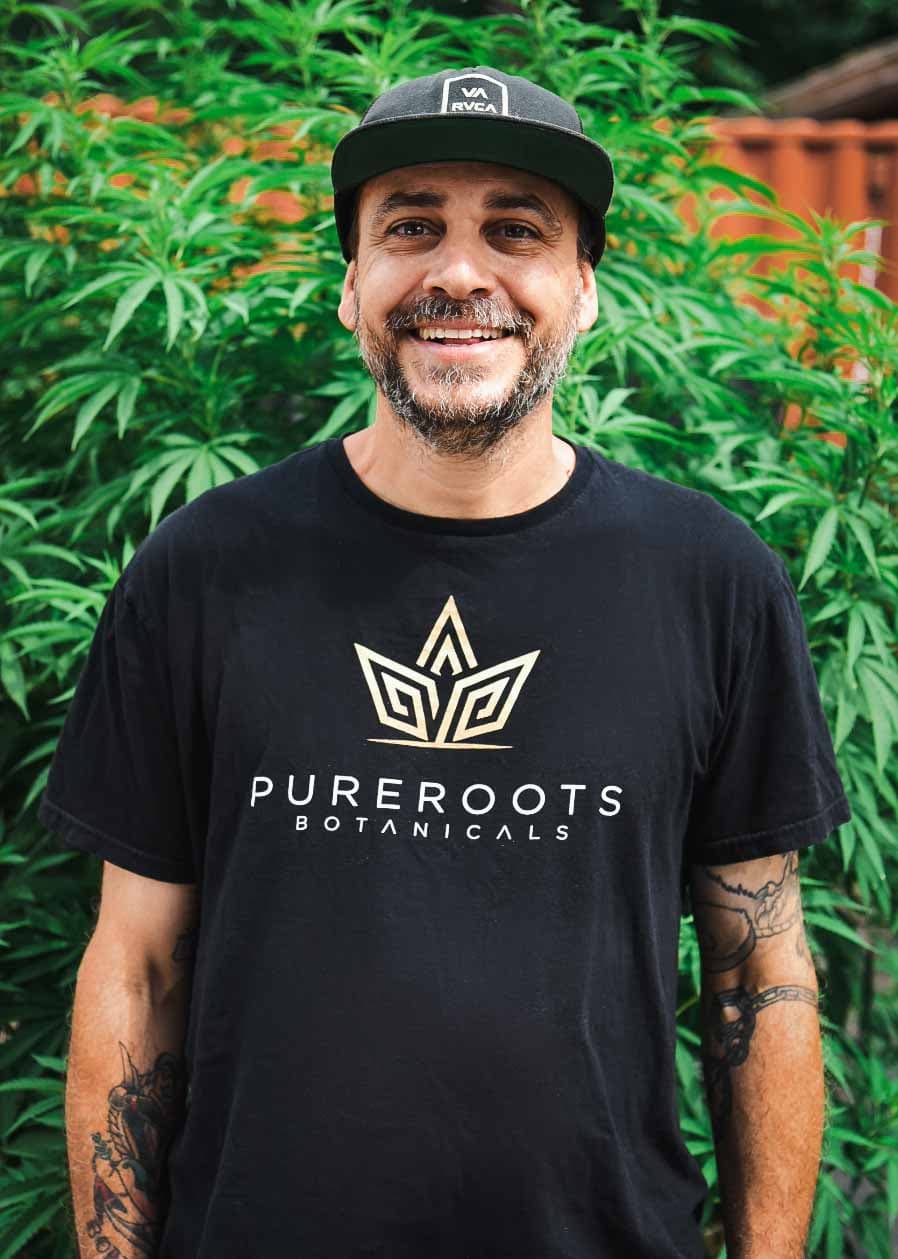
Written by
Ben Cerullo
Founder & Master Grower · Pure Roots Botanicals
Ben Cerullo founded Pure Roots Botanicals after years in organic agriculture, driven by a belief that hemp consumers deserve federal-grade transparency. He manages USDA Certified Organic operations at the North Carolina farm (NOP ID: 5561006795) and writes on hemp education, organic certification, and consumer safety.